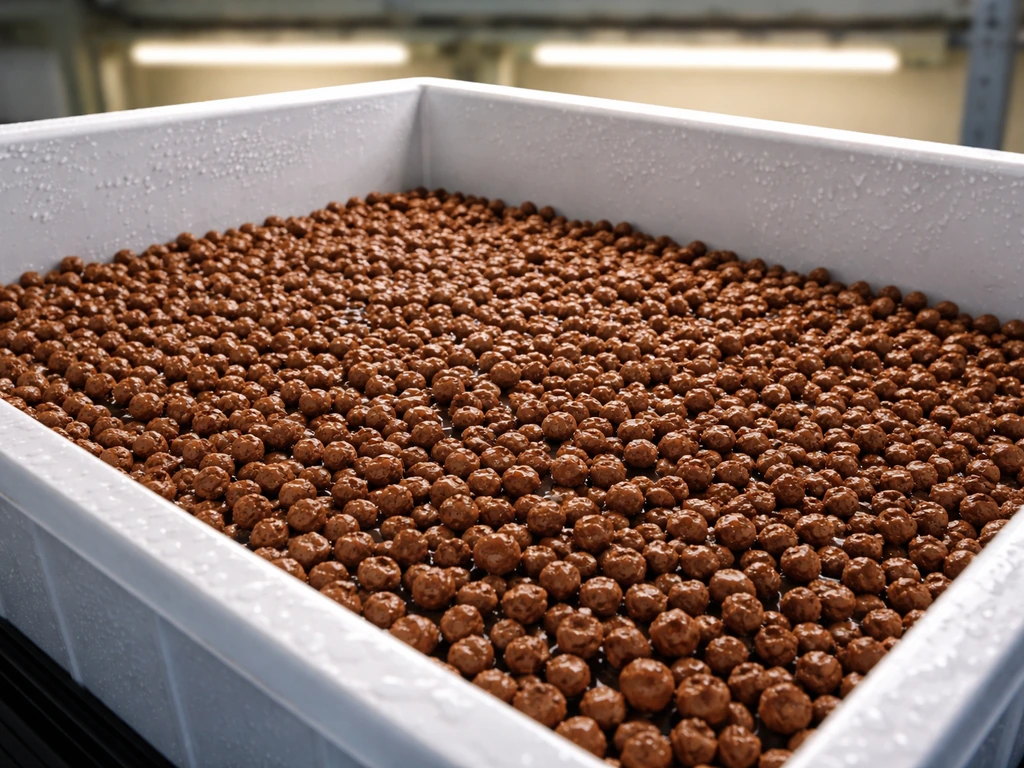
Expanded clay pellets (LECA) are the best all-around grow medium for flood-and-drain systems. They drain almost instantly, hold just enough moisture between floods, and keep the root zone well-oxygenated during the ebb phase. If you want a single recommendation you can act on today, grab a bag of 8–16mm clay pellets, rinse them thoroughly to remove clay dust, and you're most of the way there. That said, rockwool slabs and coco coir both have real advantages depending on your setup, your plant type, and how hands-on you want to be with your cycle timing.
Best Grow Medium for Flood and Drain: Choose, Prep, Tune

Marcus Holloway
27 May 2026
What flood-and-drain actually needs from a grow medium
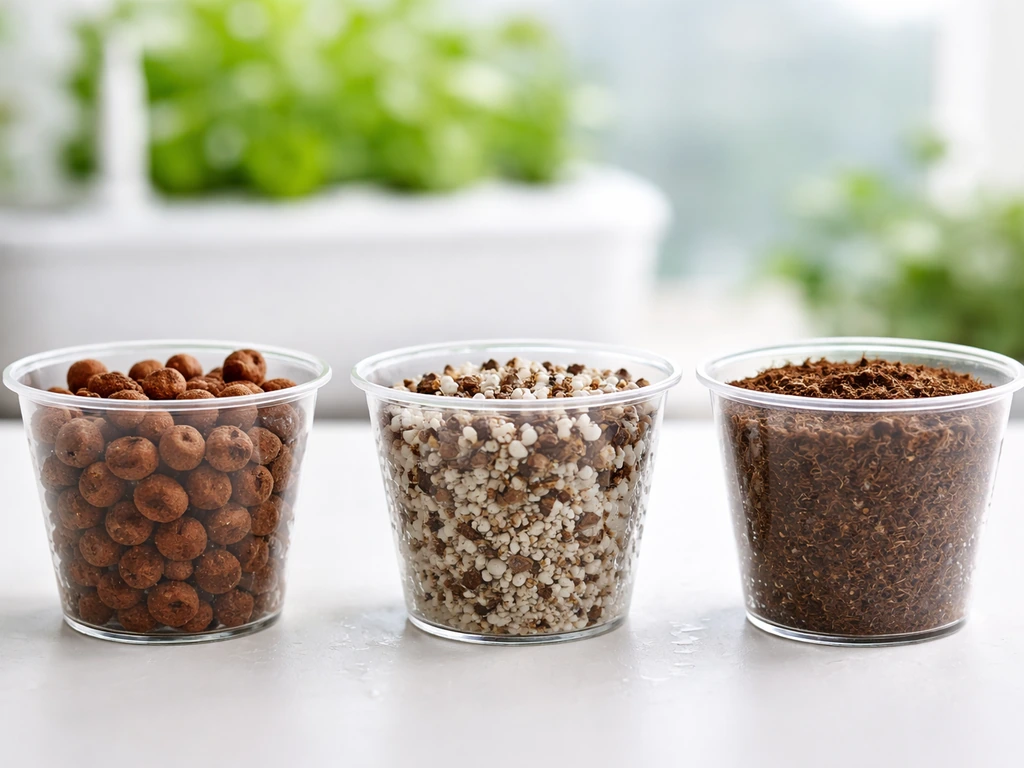
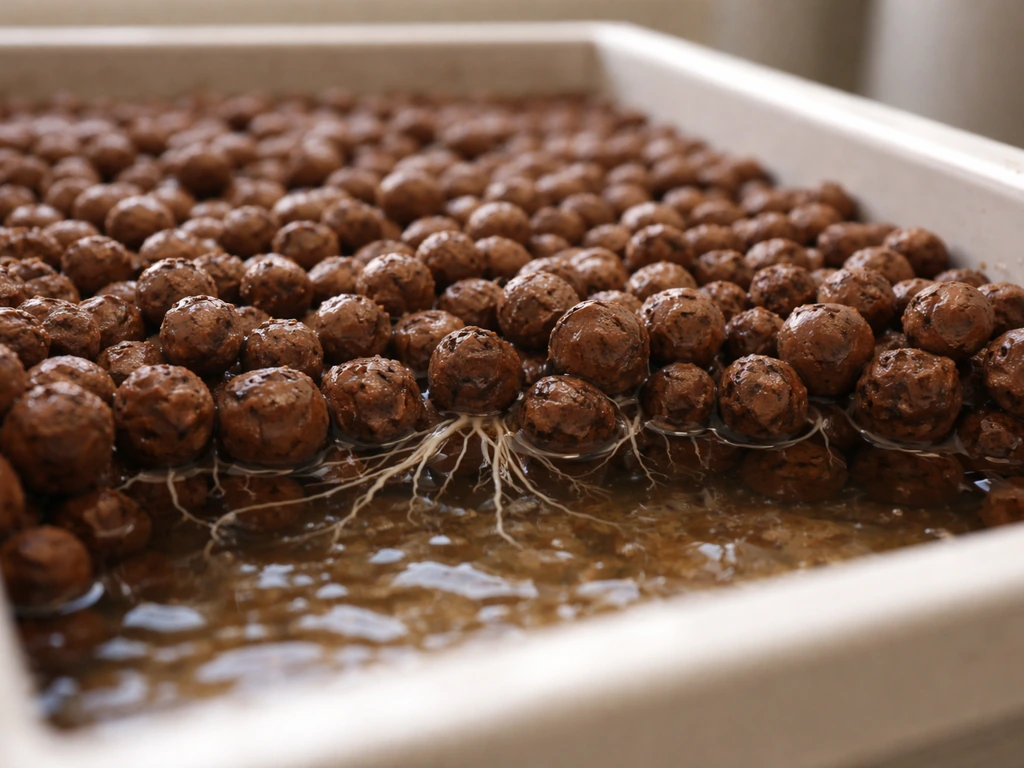
Flood-and-drain (also called ebb-and-flow) works by periodically flooding your tray or containers with nutrient solution, then draining it completely. The entire cycle depends on one thing: your medium draining fast and cleanly so roots get oxygen during the ebb phase. To pick the best grow medium, prioritize fast, clean drainage because oxygen sufficiency depends on how quickly water leaves the root zone. If your medium holds water too long, you end up with a waterlogged root zone that starves roots of oxygen and invites root rot. If it dries out too fast, you stress plants between floods.
So the medium you choose has to do three jobs at once. First, it needs to drain quickly and completely when the pump shuts off. Second, it needs to retain just enough moisture to bridge the gap between flood cycles. Third, it needs to stay structurally stable so it doesn't wash into your drain lines or compress over time and create dead spots. OSU Extension puts it plainly: quick and proper drainage is imperative for container-grown roots, because oxygen sufficiency is directly tied to how much air space exists after water drains away.
Grain size and texture matter a lot here. Fine-textured media pack together, reduce air-filled porosity, and create the exact low-oxygen conditions you're trying to avoid. Coarser, structured media like clay pellets or growstones leave consistent air gaps that refill with oxygen every time the flood recedes. There's also the practical concern of particle size relative to your drain fittings: media that's too small will wash into filters and clog drain lines, especially in the early weeks before root mass locks everything in place.
Best media options for ebb-and-flow
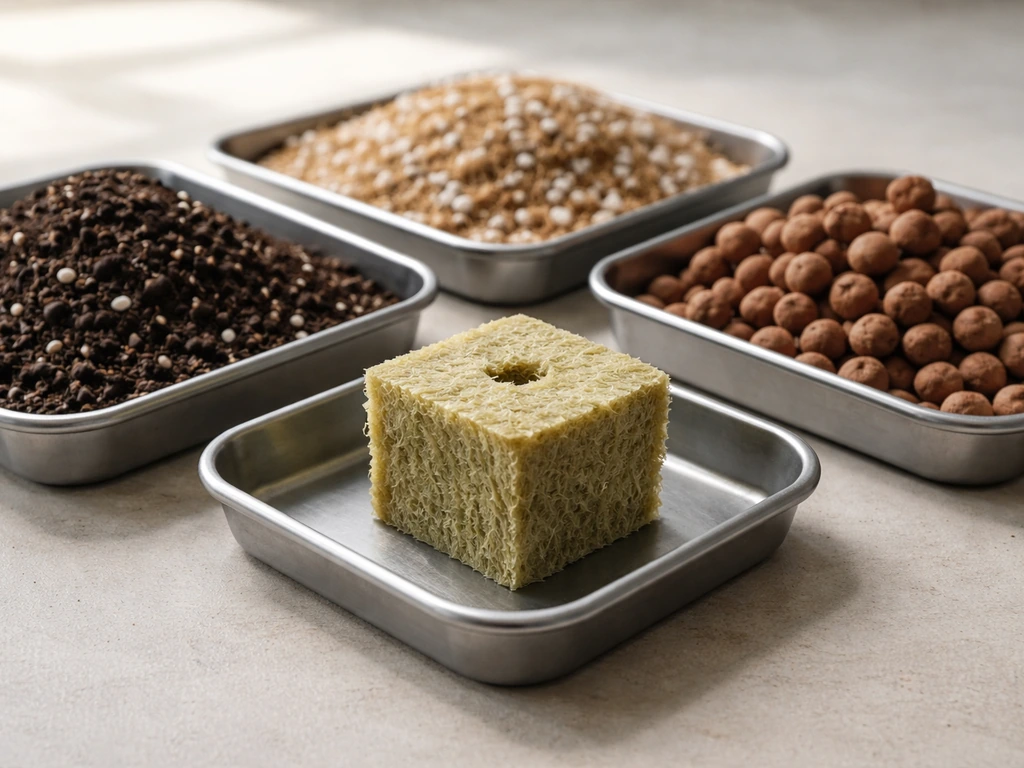
Here's an honest breakdown of the main options. Each one has a different balance of drainage, retention, reusability, and prep effort.
| Medium | Drainage Speed | Moisture Retention | pH Stability | Reusable? | Prep Required | Best For |
|---|---|---|---|---|---|---|
| Expanded Clay (LECA) | Very fast | Low-moderate | Neutral (~7.0) | Yes, long-term | Rinse dust; soak to saturate | Most plants, beginners, reuse-focused growers |
| Rockwool Slabs/Cubes | Fast | High | Needs conditioning | Limited | 24-hr pH soak (4.5, then 5.5) | Propagation, seedlings, precise cycle control |
| Coco Coir | Moderate | High | 5.8–6.2 when buffered | Yes, 1–2 crops | Hydrate + buffer for Ca/Mg | Experienced growers, larger containers |
| Growstones | Very fast | Low-moderate | Slightly alkaline; needs pH flush | Yes | Flush with pH 5.5 water | Growers wanting lightweight LECA alternative |
| Gravel/River Stone | Very fast | Very low | Neutral | Yes | Rinse and sterilize | Budget setups, large flood tables |
Expanded clay pellets (LECA/Hydroton)
This is the workhorse of ebb-and-flow growing. Clay pellets drain almost completely after each flood, which means the root zone gets a fresh oxygen reset every single cycle. They're pH neutral at around 7.0, release essentially no nutrients into your solution, and blank" rel="noopener noreferrer">rarely clog your drain lines once they're saturated and locked into root mass. The main downsides are real but manageable: dry pellets float for the first few weeks, which can push them toward your drain fittings, and the clay dust from fresh bags can foul filters if you don't rinse properly. They also hold less water than rockwool, so you'll need more frequent flood cycles, especially in warm climates or during fast-growth stages.
Rockwool slabs and cubes
Rockwool has high air-filled porosity when properly conditioned, and it holds moisture long enough that you can get away with less frequent flooding. That makes cycle scheduling more forgiving. It's particularly good for propagation and early seedling stages where you want consistent moisture around the root zone. The downside is that rockwool requires more careful pH conditioning before use, it's not easily reused across multiple crops, and it can become saturated if your flood frequency is too high relative to your drainage rate. For a grower optimizing a single-crop system with tight control over timing, rockwool is excellent. For someone who wants to run multiple cycles and minimize material costs, clay pellets win.
Coco coir
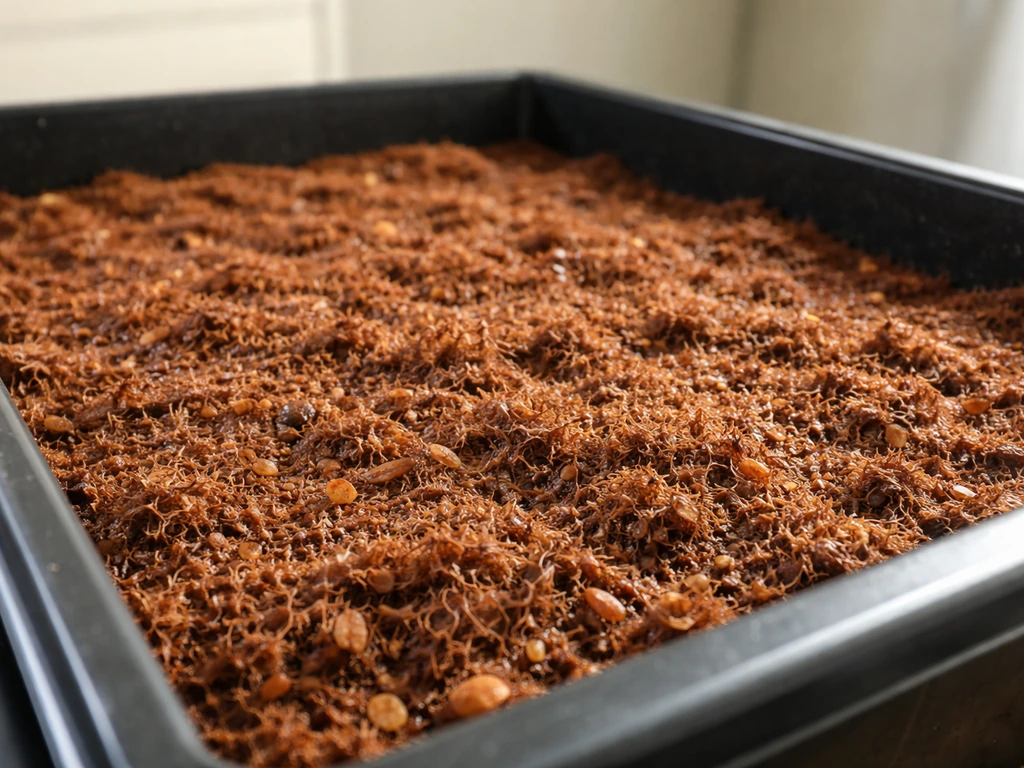
Coco can work in flood-and-drain, but it's the most demanding option on this list. Its high water retention means you have less margin for error on flood timing, and its cation exchange capacity (CEC) means it actively interacts with your nutrients, particularly calcium and magnesium. Un-buffered coco can strip calcium and magnesium from your solution early on and leave excess sodium and potassium in the medium. For a recirculating or flood-and-drain system, that translates directly to inconsistent nutrient delivery and pH drift. If you run coco in flood-and-drain, you need to buffer it before you ever plant anything. It's a great medium overall, especially for growers familiar with it from other systems, but it demands more prep and more attention to EC and pH than clay pellets do. If you want the best coco grow medium for flood-and-drain, focus on a buffered coco coir setup and manage EC and pH closely to avoid nutrient drift.
Growstones
Growstones are a recycled-glass alternative to clay pellets with a similar drainage profile. They're lightweight, reusable, and drain quickly. The one consistent note from prep guides is that fresh growstones tend to be slightly alkaline and need a flush with pH 5. Hydrobuilder’s Learning Center also recommends flushing growstones with 5.5 pH-adjusted water as a final rinse to stabilize them for use fresh growstones tend to be slightly alkaline. 5-adjusted water before use to stabilize them. Once conditioned, they perform very similarly to LECA and are worth considering if clay pellets aren't available locally or if you want a slightly more sustainable material.
How to prep and condition each medium before planting
Skipping prep is the most common mistake new ebb-and-flow growers make. Every medium needs something done to it before roots go in, and getting this right sets you up for a clean first few weeks.
Expanded clay pellets
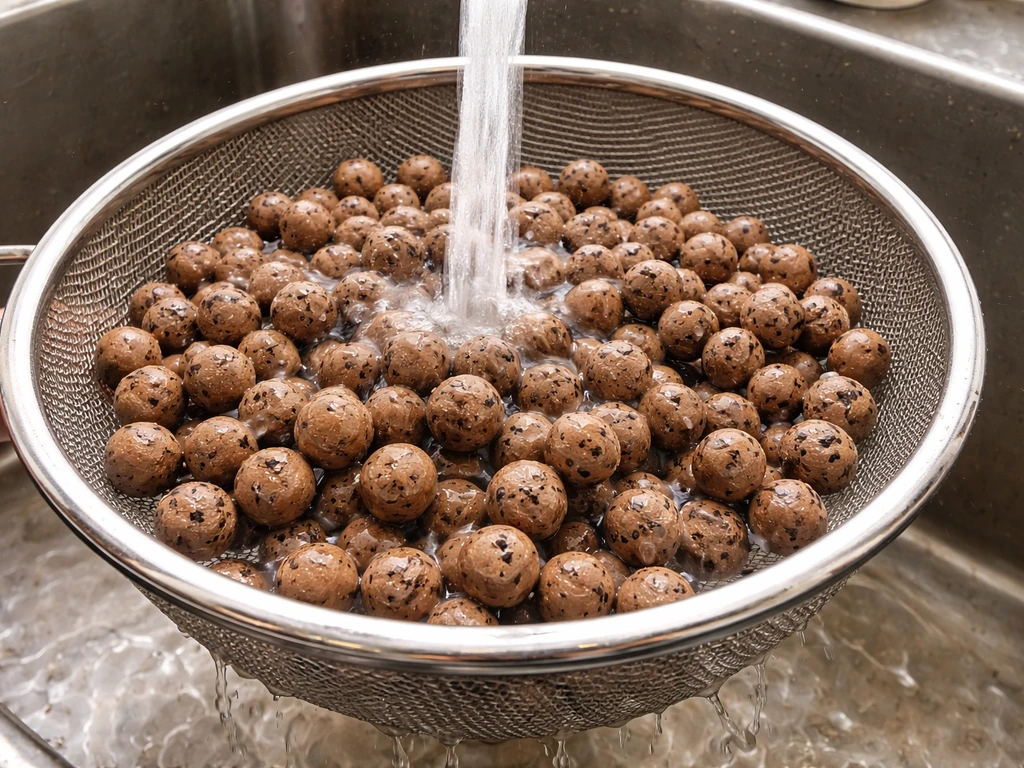
- Pour pellets into a large bucket or colander and rinse under running water until the water runs clear. This removes clay dust that can settle into drain lines or cloud your reservoir.
- Soak in plain, pH-adjusted water (around pH 6.0) for at least a few hours or overnight. Dry pellets float and can block drains during your first few flood cycles; pre-soaking eliminates this.
- Drain fully before filling your containers or tray. The pellets should be damp but not dripping.
- For the first week, check your drain fittings after each flood cycle to catch any loose pellets that migrate toward the drain.
Rockwool
- Mix water to pH 4.5 with an EC of about 0.4–0.5 and soak your rockwool cubes or slabs for a full 24 hours. The low pH counteracts rockwool's naturally alkaline manufacturing residue.
- Drain and re-soak with pH 5.5 nutrient solution. Check the runoff; when it stabilizes between 5.5 and 6.0, your rockwool is conditioned and ready.
- Do not squeeze rockwool to remove water. Let it drain by gravity to maintain its fiber structure and air pockets.
- Run your system with no plants for a day or two after filling to confirm pH and EC are stable before introducing roots.
Coco coir
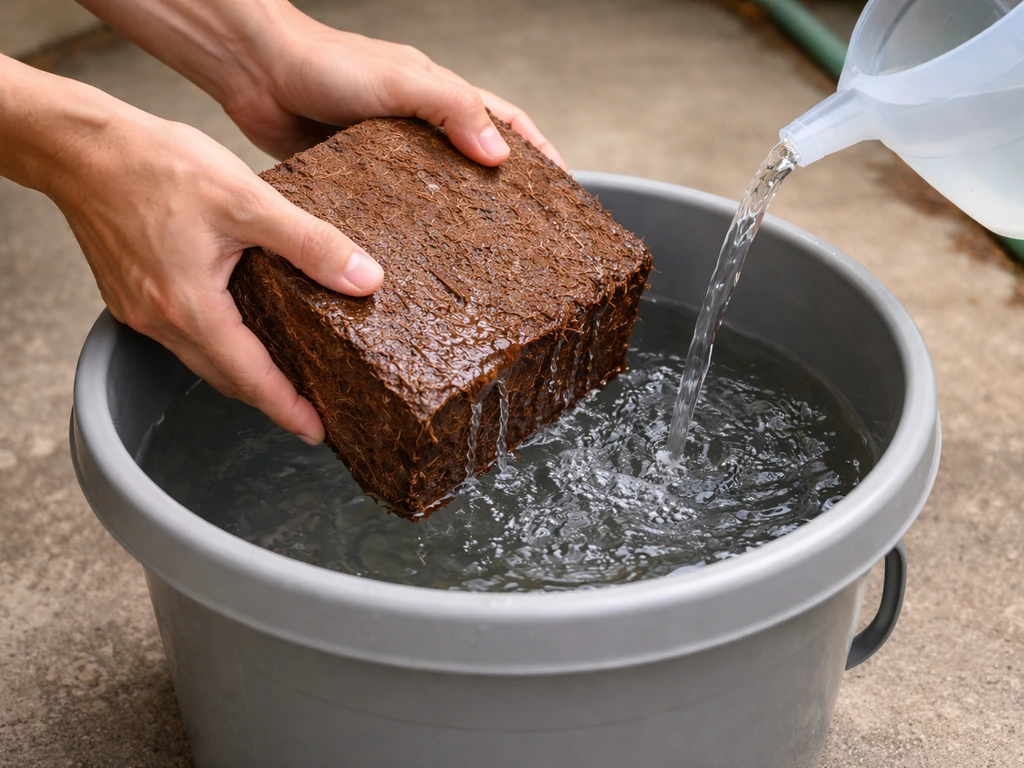
- If using a brick or compressed block, hydrate fully with pH-neutral water first. Loose, bagged coco can be used as-is but still needs rinsing.
- Rinse with pH-balanced water (5.8–6.2 range) repeatedly until tannins are washed out and the runoff EC drops significantly. This removes excess salts, primarily sodium and potassium.
- Buffer by soaking with a calcium-magnesium solution for several hours. This saturates the cation exchange sites in the coco so the medium stops stripping calcium and magnesium from your nutrient solution once plants go in.
- Drain fully. Target a working pH of 5.8–6.2 for all flood cycles going forward.
Growstones
- Rinse with clean water to remove loose debris and glass particles.
- Flush with pH 5.5-adjusted water as a final rinse to bring the slightly alkaline surface chemistry into a workable range.
- Soak briefly to pre-saturate before use, similar to the clay pellet workflow.
Matching your medium to plant type, growth stage, and climate
The medium that works best isn't always the same across your entire grow. Here's how to think about matching your choice to what you're actually growing and where.
By plant type
Fast-growing plants with large root systems, like cannabis or tomatoes, do very well in clay pellets. The free drainage keeps oxygen high, and the root mass quickly anchors the pellets in place. Smaller, more sensitive plants or herbs tend to prefer the consistent moisture that rockwool or a coco/perlite blend provides. If you're running leafy greens or lettuce in an ebb-and-flow tray, a coarser medium can dry out too aggressively between floods, so slightly higher-retention options work better.
By growth stage
Seedlings and clones need consistent moisture and are easily stressed by dry-back. Starting them in rockwool cubes and then transplanting into clay pellets once roots are established is a proven workflow that gives you the best of both. During vegetative growth, any of the main media options work well as long as flood frequency is tuned correctly. During heavy flowering or fruiting, oxygen demand at the root zone increases, so if you're running coco, you may want to reduce flood duration slightly and watch EC carefully to avoid salt accumulation.
By climate
Hot grow rooms (above 80°F / 27°C) accelerate evaporation and dry-back between floods. In warm climates, rockwool or coco's higher moisture retention becomes an advantage, letting you space out flood cycles without stressing roots. In cooler rooms, clay pellets' fast drainage is less of a problem because moisture lingers longer between cycles. High humidity combined with slow-draining media is where you're most likely to get anaerobic conditions and slime, so in humid environments, lean toward the fastest-draining option available.
Flood timing, water level, and oxygen balance
Three variables control how your medium interacts with your flood schedule: container or tray size, plant size and transpiration rate, and the water-retention characteristics of your medium. Getting these dialed in is where flood-and-drain moves from unpredictable to reliable.
Flood depth and duration
Ebb-and-flow trays typically run 2–4 inches of flood depth. You want the nutrient solution to wick up through the medium from the bottom, reaching but not overflowing the top of the root zone. Flooding too deep and too long saturates the upper medium layers and cuts off oxygen at the top of the root zone. Flooding too shallow means roots in the upper container zone never get properly wetted. A good starting point is filling to about two-thirds of the medium depth and timing the drain so the tray empties completely within 15–30 minutes of the pump shutting off.
Flood frequency by medium
Because clay pellets hold less water and release it faster than rockwool, they need both more frequent flood cycles and longer flood durations to keep roots adequately hydrated. Rockwool's higher retention means you can flood less often and still maintain moisture at the root zone. Coco sits somewhere in between but tends toward the rockwool end of the spectrum when fully hydrated. As a rough baseline during active vegetative growth, clay pellets typically need 3–6 flood cycles per day depending on temperature and plant size, while rockwool may only need 2–4. Always adjust based on how quickly your containers dry back between cycles rather than following a fixed schedule blindly.
| Growth Stage | Flood Frequency (Clay Pellets) | Flood Frequency (Rockwool) | EC Target (approx.) | Notes |
|---|---|---|---|---|
| Seedling/Clone | 2–3x daily | 1–2x daily | 0.8–1.2 mS/cm | Keep moisture consistent; avoid dry-back |
| Early Veg | 3–4x daily | 2–3x daily | 1.2–1.8 mS/cm | Roots establishing; watch for float issues |
| Late Veg | 4–5x daily | 2–4x daily | 1.6–2.2 mS/cm | Increase with plant size and transpiration |
| Flowering/Fruiting | 4–6x daily | 3–5x daily | 2.0–2.8 mS/cm | High oxygen demand; watch for salt buildup |
| Late Flower/Flush | Reduce gradually | Reduce gradually | 0.5–1.0 mS/cm | Flush medium with clean pH-adjusted water |
Oxygen during the ebb phase
The ebb phase is when root respiration happens. After the flood drains, air rushes into the medium pores and roots absorb oxygen. If your medium doesn't drain completely, or if your reservoir water is oxygen-depleted, you lose this benefit. Run an air stone in your reservoir to keep dissolved oxygen levels high, and make sure your drain lines have enough fall and diameter to empty the tray quickly. Rectangular trays can develop dead zones in corners where drainage is slow; if you see slime or yellowing concentrated at the corners of your tray, that's a geometry and drainage problem, not just a medium problem.
Troubleshooting common flood-and-drain medium problems
Yellowing leaves and soft, brown roots
This is the classic signature of overwatering and low oxygen at the root zone. In flood-and-drain it usually means you're flooding too often, your drain time is too slow, or your medium is retaining water longer than it should. Check that your drain fittings are clear and your tray empties within 15–30 minutes of the pump stopping. If you're running coco, make sure it's not compacted at the bottom of your containers, which creates a saturated layer that doesn't drain. Reduce flood frequency by one cycle per day and monitor root color over the next 48 hours.
Algae and slime on the medium surface
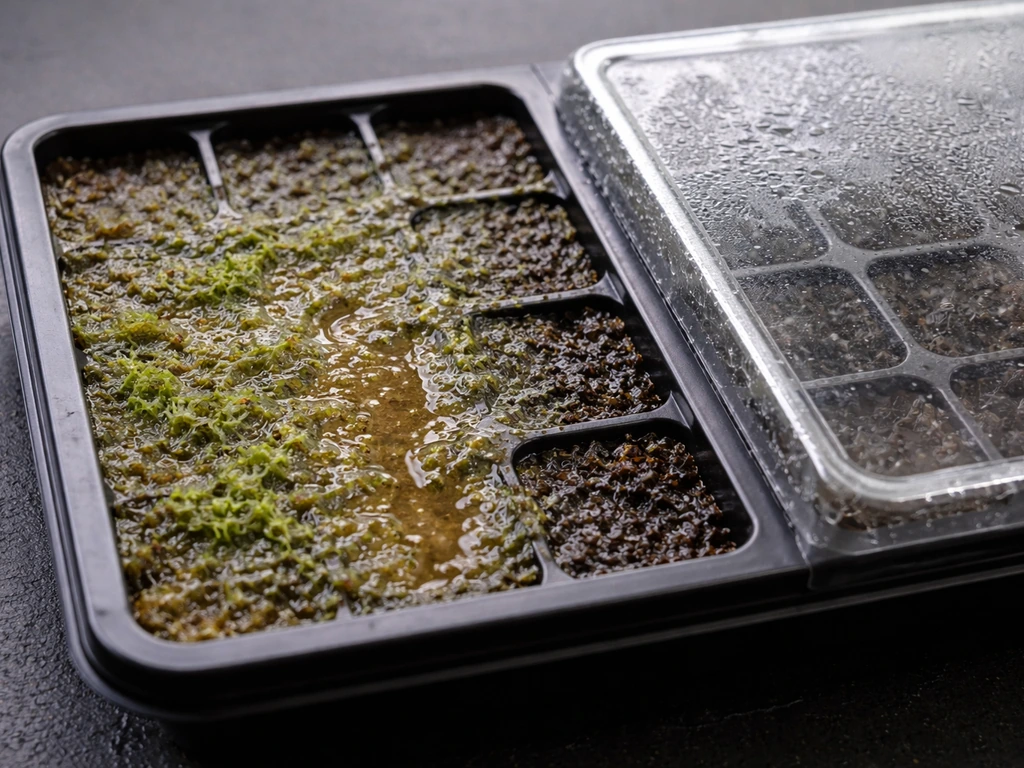
Green or brown algae on your medium surface means light is reaching your wet medium. This is almost always a light-leak issue rather than a medium problem. Cover your tray or container tops with a light-blocking lid or black plastic. If you're seeing slime (biofilm) rather than green algae, that's a different issue related to bacteria thriving in stagnant, low-oxygen zones, often in corners or at drain fittings. Increase reservoir aeration, clean your drain lines, and add beneficial microbes (like beneficial bacterial products based on Bacillus strains) to compete with harmful pathogens. Hydrogen peroxide at very low doses can knock back slime, but it also kills beneficial microbes, so use it as a reset rather than a routine treatment.
Dry-back stress between floods
If leaves are drooping or curling between flood cycles and perking up immediately after flooding, your medium is drying out too fast. This happens most often with clay pellets in hot rooms during peak flowering. Solutions include increasing flood frequency, switching to a higher-retention medium like rockwool or coco for the next grow, or moving to net pots with a wick layer of coco at the bottom to hold some residual moisture between cycles.
Salt and nutrient buildup in the medium
A white crust forming on your medium surface or around container edges is salt accumulation from evaporation. This is most common in coco and rockwool because they hold moisture longer, giving salts more time to concentrate. If your EC is creeping up over time without increasing your feed strength, that's also a sign of salt buildup. Flush the medium with clean, pH-adjusted water (without nutrients) once every 1–2 weeks during heavy feeding stages. For coco specifically, running a full flush from the top down is effective because it physically moves salts through and out of the medium.
Pellets or debris clogging drain lines
This is a clay pellet problem that's almost entirely preventable. If you didn't pre-soak your pellets, they'll float and some will migrate toward drain fittings in the first few floods. Use a drain screen or mesh guard over your fittings during the first two weeks until root mass locks the medium in place. If you're already dealing with a blockage, drain the system manually, remove the fitting, clear the blockage, and cover it with mesh before restarting. After this point, pellets that are saturated and root-anchored almost never cause problems.
Uneven nutrient distribution across the tray
If plants at one end of the tray look healthier than plants at the other end, your flood isn't covering the tray evenly. This can be caused by a tray that isn't level, an inlet that's positioned to one side, or a medium that's packed unevenly. Check your tray with a level and shim if needed. Position your inlet near the center or use multiple inlets for longer trays. In clay pellets, uneven packing can create channels where water flows preferentially; top-dressing with a thin layer of uniform pellets can help redistribute flow.
Reusing your medium: cleaning, sterilizing, and avoiding buildup
Clay pellets and growstones are genuinely long-term reusable media, which is one of their biggest advantages over coco and rockwool. Done right, a bag of LECA can run for years across multiple crops. Coco can typically be reused for one to two crops before its structure breaks down and it starts retaining too much water. Rockwool is generally single-use at the slab level, though individual cubes used for propagation can sometimes be re-conditioned.
Cleaning clay pellets and growstones between crops
- Remove all root material manually. Old roots left in the medium will decompose and feed pathogens in your next grow.
- Rinse thoroughly with clean water to remove organic debris, salt crust, and loose particles.
- Sterilize using one of two methods: a 1:10 dilution of household bleach (5–6% sodium hypochlorite) in water, or a 3% hydrogen peroxide solution. Soak the medium for 30–60 minutes.
- If using bleach, rinse very thoroughly afterward (multiple rinse cycles) until you can't detect any bleach smell. Residual chlorine will harm beneficial microbes and can affect plant health.
- For systems with a flood tray rather than individual containers, plug the drain, fill with sterilizing solution, let it soak, then drain and flush with clean water two or three times.
- Allow the medium to dry fully if storing between grows, or rinse one final time with pH-adjusted water before refilling and restarting.
Preventing salt and algae buildup during the grow
The best time to prevent buildup is before it starts. Keep your reservoir covered to block light and reduce evaporation-driven concentration. Change your reservoir solution completely every 7–14 days rather than just topping off, especially in warm conditions. Do a mild flush of the medium with clean water mid-grow if you see EC climbing without increasing your feed rate. Keep drain lines clear by flushing them monthly, and do a full sanitization between every crop without exception. A clean system going into a new grow is far easier to manage than trying to fix contamination problems mid-cycle.
If you're comparing flood-and-drain to other hydroponic methods, the medium choices here overlap substantially with what works in deep water culture and other recirculating systems, though DWC uses no solid medium at all. With deep water culture (DWC), you generally skip solid media and focus instead on oxygenating the nutrient reservoir. Coco coir in flood-and-drain also shares most of its prep requirements with coco used in other systems, so if you're already familiar with buffering and pH management from another setup, the transition is straightforward. If you're already familiar with buffering and pH management from another setup, the transition is straightforward, including when selecting the best indoor grow medium for your goals. The fundamental advantage of ebb-and-flow over systems with continuous wetting is exactly this oxygen reset during the drain phase, and your medium selection is the main lever you have to maximize that benefit.
FAQ
What flood timing should I use if I switch from clay pellets to rockwool or coco mid-grow?
Don’t try to keep the same cycles. Clay pellets drain fast and need more frequent flooding, while rockwool holds moisture longer and can handle longer intervals. Start by shortening drain time targets (so the tray empties cleanly) but increase flood duration or frequency gradually over 2 to 3 cycles, then adjust based on whether plants droop before the next flood or roots stay too dark and wet after drainage.
How do I know if my medium is actually draining fast enough in my system?
Time the drain to empty the tray after the pump shuts off, then confirm it matches your target. If the tray does not fully empty within about 15–30 minutes (your baseline from the article), you likely have either slow fall, narrow drain diameter, blocked fittings, or compacted media at the bottom. Also check for persistent wet spots at tray corners, those usually indicate a drainage path problem.
Do I need to buffer coco the same way if I am not recirculating the nutrient solution?
Yes, buffering is still needed even if you drain to waste or you only run one direction, because un-buffered coco can bind calcium and magnesium and affect nutrient availability and pH stability. In non-recirculating setups you may see less salt buildup than in recirculating systems, but nutrient lockout can still happen early, so budget time for proper conditioning before planting.
Should I use perlite or another additive mixed with clay pellets for flood and drain?
Usually avoid adding fine materials that reduce air space. Perlite can help with weight and structure, but if you add too much or add fine fractions, it can pack and slow drainage, undermining the oxygen-reset advantage. If you want to mix, keep the additive coarse and use only small proportions, then verify drain time still empties within your target window.
What is the best way to stop pellets from floating during the first days?
Pre-soak until pellets are fully wetted and sink, then rinse off dust. If you are already in operation, installing a temporary drain-screen or mesh guard over fittings for the first 1 to 2 weeks is the practical way to prevent migration toward drains while roots are small and cannot anchor the media.
Can I use the same medium bag across multiple crops, and what’s the catch?
Clay pellets and growstones are commonly reused for multiple crops, but you must sanitize the system and remove any stuck biofilm and debris first. Coco is more limited because its structure degrades and it retains water and salts differently over time. If you reuse anything, verify pH neutrality and do a rinse or flush to avoid carrying over salt and microbial load into the next crop.
Is hydrogen peroxide safe to use if I get slime or biofilm in flood and drain?
It can be used as a one-time reset, but it is not ideal as a routine treatment because it can also suppress beneficial microbes that help keep pathogen pressure down. Prefer fixing the cause first (stagnant corners, slow drain lines, low oxygen in the reservoir) and use peroxide only after cleaning and correcting the drainage and aeration.
How should I handle salt crusting if it starts in coco or rockwool, but my EC readings look stable?
Salt crust can appear from evaporation even before EC climbs dramatically, especially in higher-retention media. Use a periodic medium flush (top down for coco) once every 1 to 2 weeks during heavy feeding, and check your reservoir coverage and light blockage to reduce evaporation-driven concentration. Also inspect for localized dry areas on top surfaces where salts accumulate fastest.
What should I do if plants at the start of the tray do well, but the far end keeps failing?
First check tray level and inlet placement, then look for uneven packing or channeling in the medium. Clay pellets especially can form preferential flow paths if the top layer is uneven. A quick corrective step is to re-topdress with a thin, uniform layer and confirm the tray empties evenly, if the far end stays wet longer, redistribute medium and verify drain geometry.
Should I increase flood cycles when roots take off, or reduce them as the plant grows?
Often you reduce stress by backing off frequency once plants are established, because root mass increases water and oxygen demand smoothing. However, the key is your drain time and how fast the tray dries back between floods. If roots look pale or plants droop before the next cycle, you need more frequent flooding or higher-retention media. If you see root browning and persistent wetness after drainage, reduce frequency and confirm reservoir aeration.
If my reservoir water oxygen is low, how does that change my medium choice?
A better medium helps, but low reservoir oxygen can still negate the oxygen reset. With any medium, aerate the reservoir (air stone) so the ebb phase actually brings oxygenated conditions to the root zone. If you cannot maintain good reservoir aeration, prioritize the fastest draining, highest air-gap media like clay pellets or growstones.