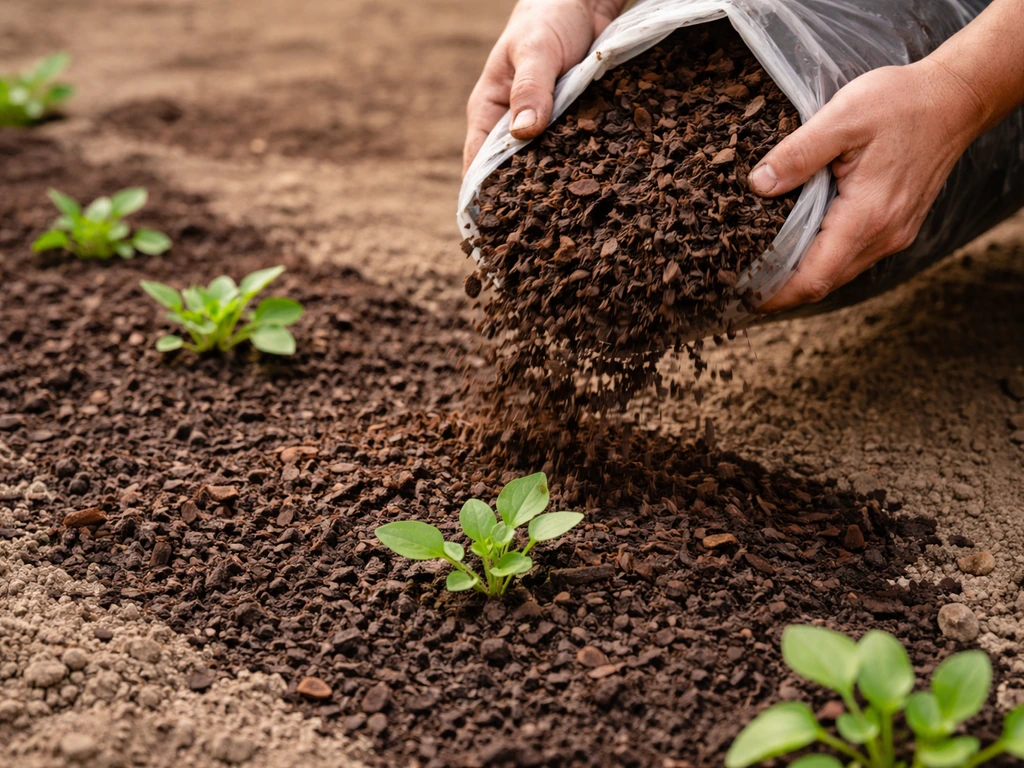
Yes, you can grow plants in Eco Earth, but not straight out of the bag without a little prep work. Eco Earth is Zoo Med's coconut fiber substrate, which means it's essentially coconut coir, and coir is one of the most widely used soilless growing media in horticulture. It holds moisture well, drains better than most soil, resists compaction over time, and works for everything from herbs to vegetables to cannabis.
Can You Grow Plants in Eco Earth? How to Test and Use It
Marcus Holloway
3 May 2026
The catch is that raw coconut fiber isn't a complete growing medium on its own. It needs to be buffered, pH-adjusted, and fed with a full nutrient regimen before your plants will actually thrive in it. Do those things right, and Eco Earth performs very well. Skip them, and you'll end up with stunted, yellowing plants that look like they're starving because they are.
What Eco Earth actually is and how it behaves in a pot
Eco Earth is made from the husks of coconuts, processed into a fine fiber substrate. Zoo Med markets it primarily as a reptile terrarium substrate, but the company itself says it can be composted or recycled into potted plants and gardens, and the physical material is identical to what horticulturists call coconut coir or coco fiber. Zoo Med describes Eco Earth Coconut Chips as a coconut coir substrate made from a renewable resource and suitable for composting or reuse in potted plants and gardens after use composted or recycled into potted plants and gardens. A research paper from Frontiers in Behavioral Neuroscience literally names Zoo Med EcoEarth as 'shredded coconut husk substrate,' which tells you exactly what you're working with.
As a growing medium, coir has some genuinely impressive properties. It has high total porosity, good air-filled porosity, and a very high cation exchange capacity (CEC), which means it can hold onto nutrients in a way that makes them available to roots. Research comparing coir to sphagnum peat in greenhouse cucumber production found coir had higher wettability and better oxygen availability, both of which matter a lot for root health in containers. Typical particle size in coir substrates is fine enough that around 90% of particles are under 2 mm, which explains how quickly it wets and how evenly it retains moisture.
The one thing coir is not is nutritionally complete. It's essentially a structural medium with very low inherent nutrient content. It also comes with a quirk: fresh, unbuffered coir contains residual sodium and potassium from the coconut processing, and those ions compete directly with calcium and magnesium at the root zone. If you plant directly into un-buffered Eco Earth, your plants will struggle to absorb Ca and Mg even if you're feeding them. That's the core setup mistake to avoid. The pH of coir typically ranges from about 4.9 to 6.9 depending on the batch and processing, with most falling between 5.5 and 6.5, which is workable but worth verifying.
How to set up Eco Earth so plants actually root properly
Reconstituting and buffering first
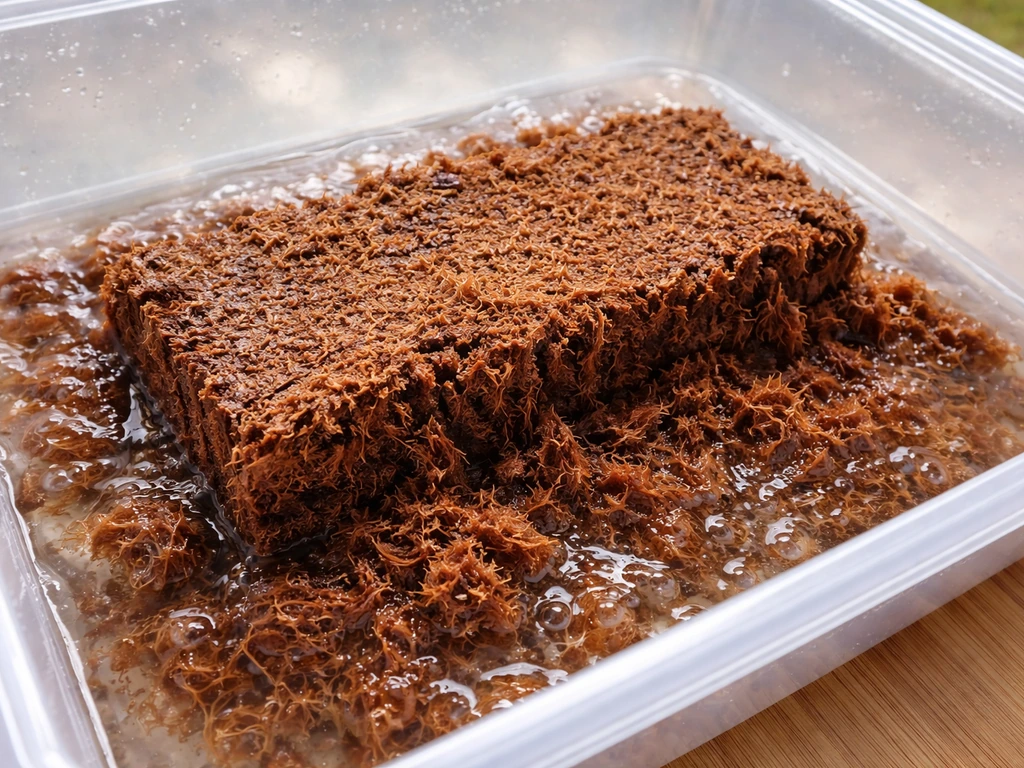
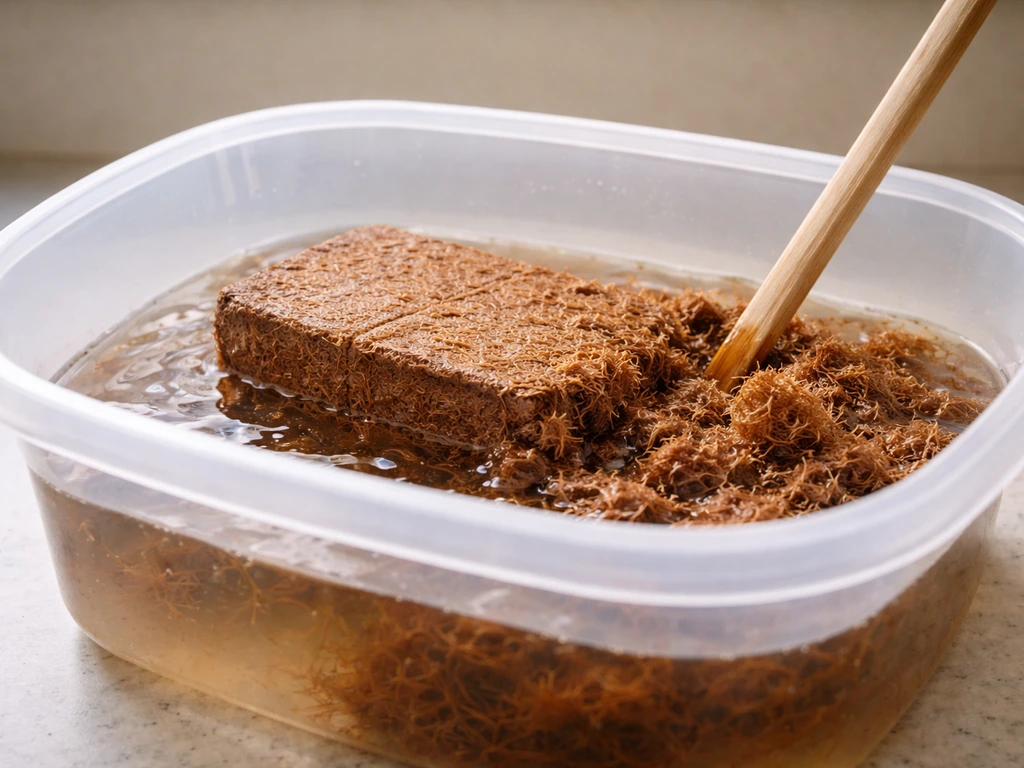
If your Eco Earth is the compressed brick format, you'll need to rehydrate it before anything else. Break the brick into a large container and add warm water slowly, working it apart with your hands until it's evenly moist but not sopping. Once it's fully expanded and broken up, don't just plant into it yet. This is your buffering window.
Mix up a Cal-Mag solution at around EC 2. 0 to 2. 5, adjust it to pH 6. 0, and soak the coir in that solution for 8 to 24 hours.
This displaces the excess sodium and potassium in the fiber and loads the CEC sites with calcium and magnesium instead, which is exactly what your plant roots need available at the exchange sites. After soaking, drain off the excess liquid and give it a light rinse with pH-corrected water before use.
Container setup and aeration
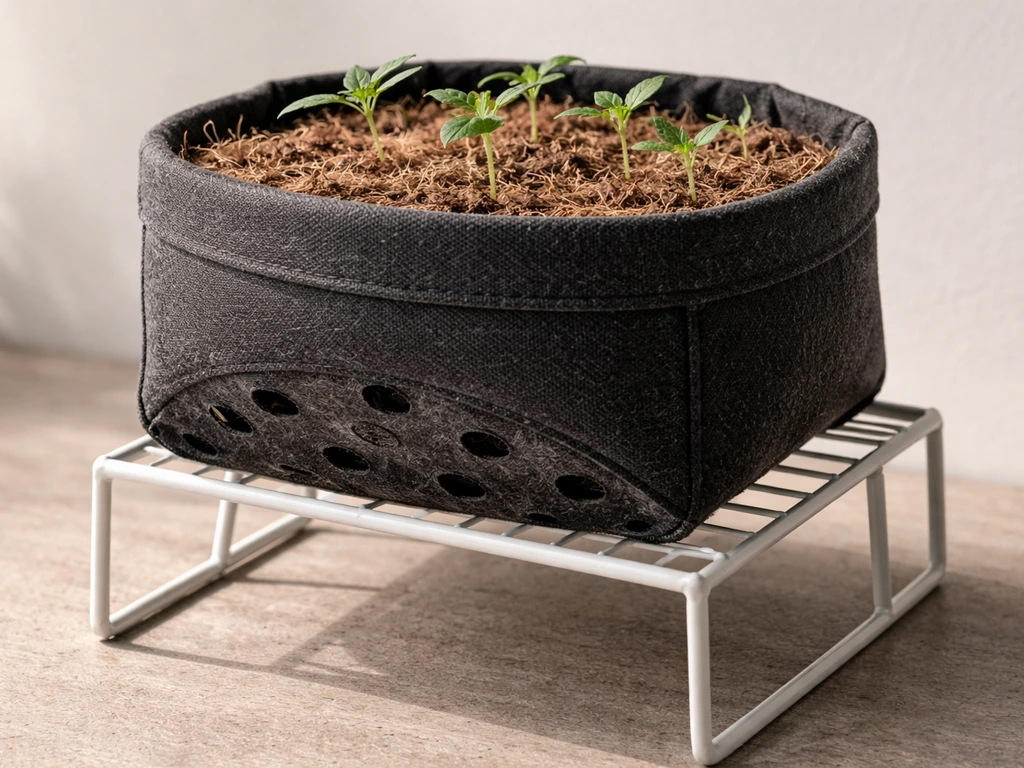
Containers for coir need excellent drainage. Use pots with multiple bottom drainage holes, and don't use trays that let pots sit in standing water. A fabric pot is genuinely better here because the air pruning effect and passive drainage prevent the oxygen-poor root zones that cause the most common coir failures. For larger containers (5 gallons or more), you can mix in 10 to 20% perlite by volume to increase air-filled porosity and reduce the risk of overwatering.
Zoo Med's own product line uses Eco Earth on top of HydroBalls as a drainage layer in terrariums, which tells you the company understands coir needs a drainage assist. You don't need HydroBalls in a planter, but the concept is the same: free-draining bottom, loose fiber above.
Coir's fine particle structure can become a waterlogging problem if you're heavy-handed with irrigation. The goal is to keep it evenly moist, not saturated. A good rule of thumb is to water when the top inch feels dry, let it drain fully, and never let roots sit in pooled water. If you notice the medium feels dense or packed after a few weeks, lightly loosen the top layer with a fork or chopstick to restore airflow.
Eco Earth Coconut Chips, the coarser version of the product, is specifically described by Zoo Med as increasing aeration and resisting compaction when mixed into a soil blend. If you have both formats available, a mix of fine fiber and chips gives you a better structure for container growing.
Feeding plants in Eco Earth: you have to bring your own nutrients
Eco Earth has essentially no nutritional value on its own. Think of it as a structural scaffold, not a food source. That means from day one of transplanting (or from first true leaf stage for seedlings), you need a complete nutrient solution. This is where you decide whether you're treating Eco Earth like a soilless hydroponic medium or like a soil amendment.
Hydro-style feeding in pure coir
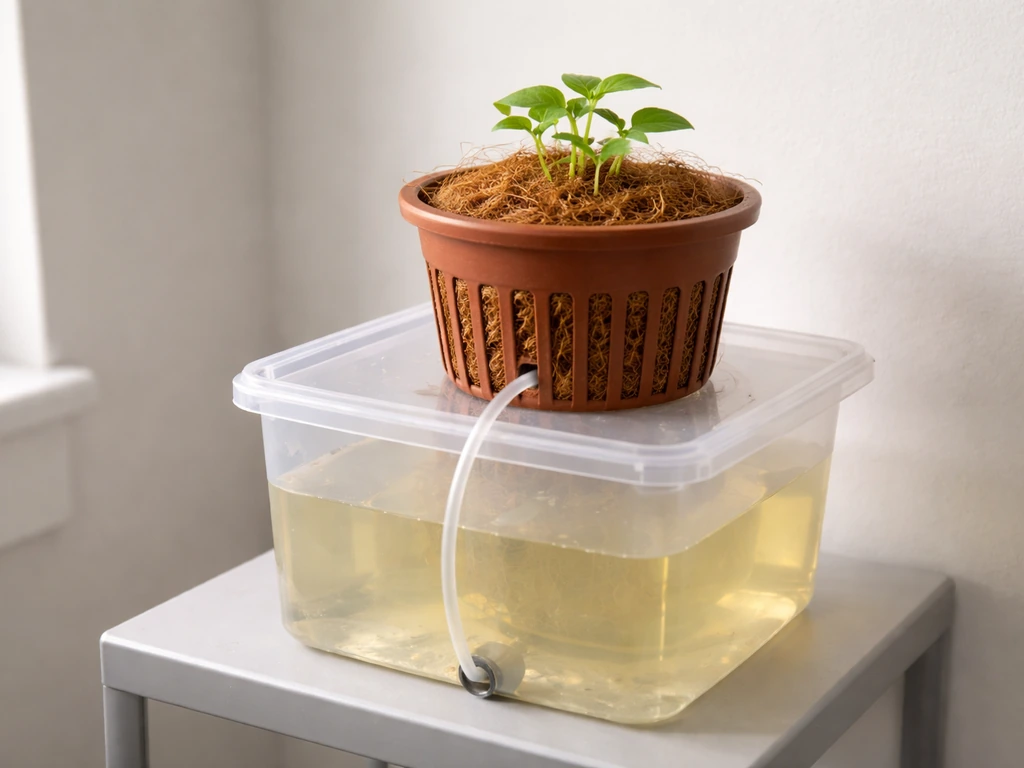
If you're using Eco Earth as a standalone medium, the most reliable approach is to treat it like a hydroponic coir grow. That means using a complete hydroponic-style base nutrient (3-part or 2-part formulas work well) with a dedicated Cal-Mag supplement, targeting a feed solution pH of 5.8 to 6.2. Feed at every watering rather than alternating water and nutrients, because coir doesn't store nutrients the way soil does and dry cycles between feedings cause salt concentration spikes. Start seedlings or clones at low EC (around 0.8 to 1.2) and ramp up gradually toward 1.8 to 2.4 for vegetative growth, adjusting based on how your plants look and what your runoff readings tell you.
Mixing Eco Earth with soil or compost
If you'd rather work with a more forgiving soil-style setup, blend Eco Earth as a component rather than using it solo. If you compare Eco Earth to regular topsoil, remember that topsoil provides nutrients and structure on its own, while coir usually needs added feeding and buffering. A practical mix is 40 to 50% buffered Eco Earth, 30 to 40% quality potting soil or compost, and 20% perlite.
This gives you the moisture retention and aeration benefits of coir while the organic matter in the potting soil provides some baseline nutrients and biological activity. In this blend, you can water less frequently, use organic slow-release fertilizers alongside liquid feeds, and manage it much like a regular container garden. The pH target shifts slightly to 6. 0 to 6.
8 to match soil-based nutrient availability. For a deeper comparison of soil versus soilless approaches, the hydro vs soil grow topic on this site covers the trade-offs in detail. For a broader look at the differences between using soil versus soilless systems, including how plants grow where soil is grown, see the hydro vs soil grow coverage on this site. For a deeper comparison of hydro vs soil grow trade-offs, check out the dedicated guide on this site.
| Approach | pH Target | Feeding Style | Watering Frequency | Best For |
|---|---|---|---|---|
| Pure Eco Earth (coir) | 5.8–6.2 | Hydro-style nutrients every watering | Frequent, small volumes | Experienced growers, fast-draining setups |
| Eco Earth + potting soil blend | 6.0–6.8 | Organic + liquid feeds | Moderate, as medium dries | Beginners, low-maintenance grows |
| Eco Earth + compost + perlite | 6.0–6.8 | Compost-based + liquid top-up | Moderate | Outdoor containers, kitchen gardens |
Best plants to start with (and a few to avoid for now)
Coir-based media suits a wide range of plants, but some do better than others when you're learning the medium. Tropical houseplants like pothos, philodendrons, and peace lilies adapt well because they're already used to well-draining, airy root environments. Herbs like basil, cilantro, and mint respond quickly and let you dial in your watering and feeding rhythm without long feedback loops. Vegetables including tomatoes, peppers, and cucumbers have been extensively tested in coir substrates in greenhouse research and perform well when nutrients are managed properly. Strawberries are another strong candidate, as commercial coir production for strawberries is common and well-documented.
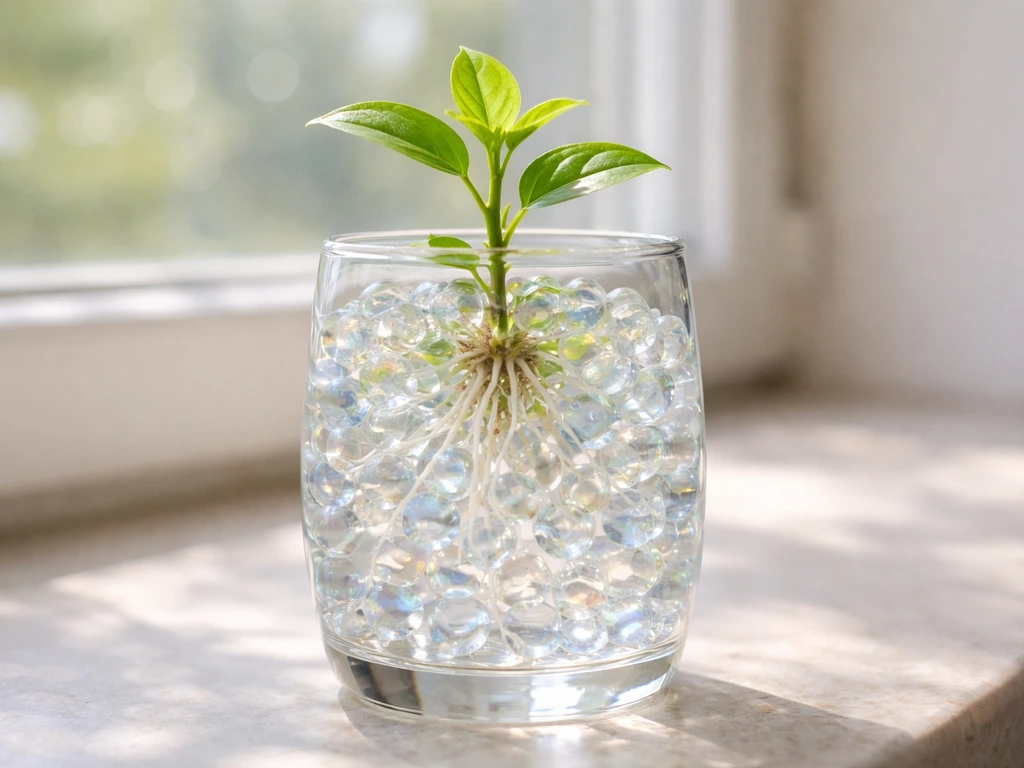
For indoor grows where you're pushing plants hard, leafy greens like lettuce and spinach are forgiving starters because they have shallow roots, fast cycles, and clear visual feedback if something is off. If you've read about growing plants in unconventional media like Orbeez or are curious about how regular topsoil compares, those make interesting side experiments, but coir is by far the more practical and scalable starting point. Can you grow plants in Orbeez? That’s a different kind of hydrogel setup, so the watering and nutrient strategy has to change compared to coir.
What to avoid until you're comfortable: cactus, succulents, and other drought-adapted plants struggle in coir because even well-drained coir holds more residual moisture than their roots want. Root vegetables like carrots and parsnips need a more uniform, denser medium to form properly shaped roots. And heavy feeders with very specific nutrient ratios (like some orchid species) are tricky in unbuffered coir because any ion imbalance shows up fast. Start with forgiving, fast-growing plants and work your way up.
Troubleshooting the most common Eco Earth problems
Yellowing leaves
Yellowing in coir is almost always a calcium or magnesium deficiency, and it almost always traces back to inadequate buffering before planting or insufficient Cal-Mag in your feeding regimen. Unbuffered coir releases sodium and potassium in exchange for Ca and Mg at the root zone, so your plant starves of those elements even if your feed solution contains them. Fix it by flushing the medium with pH-correct plain water, then resume feeding with a boosted Cal-Mag dose for 1 to 2 weeks. If you didn't buffer before planting, do a targeted Cal-Mag drench (EC around 1.5, no base nutrients) and let it sit for a few hours before normal feeding resumes.
Plants not growing or looking stunted
Stunted growth with no obvious deficiency color usually means the medium is either too wet (anaerobic root zone), too dry (salt concentration), or the pH is out of range and nutrients are locked out. Check your runoff pH first. If it's below 5.5 or above 7.0, your plants can't access most of what you're feeding them. Adjust your feed solution pH and do a moderate flush to reset. If pH looks fine, test your runoff EC. Very high runoff EC (above 3.5 to 4.0) means salt buildup is creating osmotic stress and blocking water and nutrient uptake. Flush until runoff EC drops to around 0.4 to 0.6, then resume feeding at a lower concentration.
Overwatering and waterlogged medium
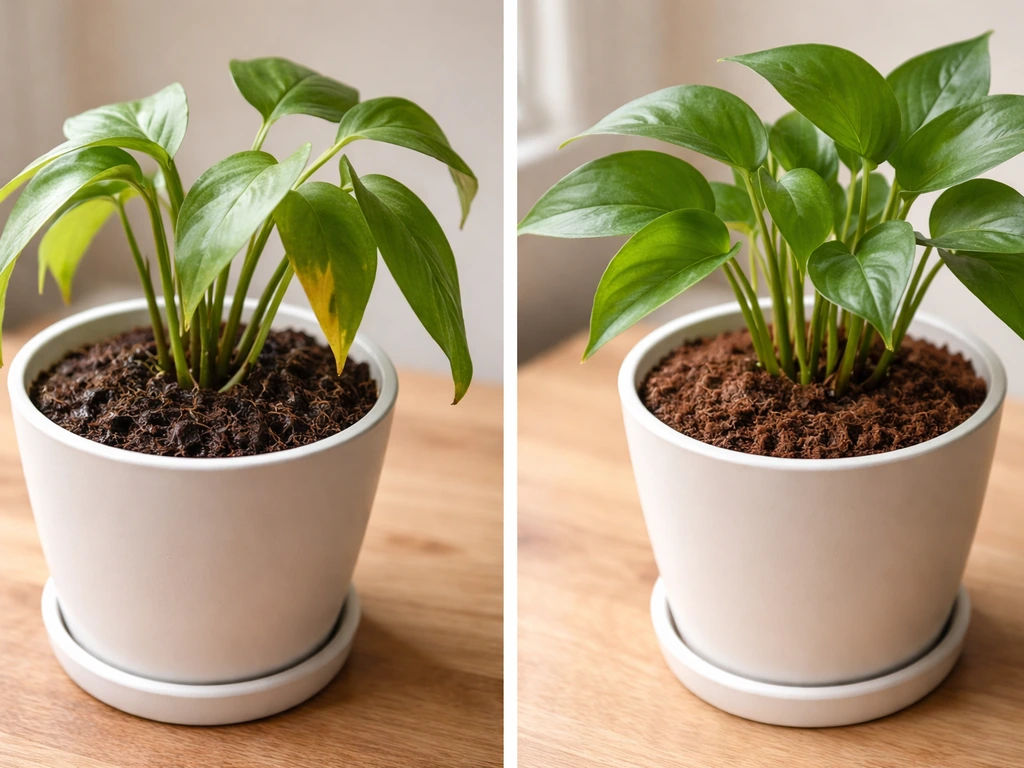
Coir holds water well, which is a feature until it becomes a bug. If your medium never seems to dry out between waterings, or if you see yellowing combined with drooping (rather than the crispy look of underwatering), you've got an oxygen problem at the roots. Reduce watering frequency immediately and check that drainage holes aren't blocked. If the medium has compacted, topdress with a layer of perlite, loosen the top inch gently, and consider repotting into a slightly smaller container with better drainage. A simple lift test helps: a well-watered pot should feel noticeably heavier than a dry one. If it's always heavy, you're overwatering.
Salt buildup over time
Because coir has high CEC and you're feeding at every watering in a solo coir setup, salts accumulate in the medium over weeks. You'll notice this as tip burn, curling leaves, or a white crusty deposit on the top of the medium or the outside of the pot. The fix is a thorough flush: run 3 times the pot's volume of pH-correct plain water through the medium and watch your runoff EC drop. Target a runoff EC of 0.4 to 0.6 before you stop flushing. After flushing, resume feeding at a slightly lower concentration for a few waterings before returning to your normal regimen.
Practical checklist: is Eco Earth right for your grow?
Run through these steps before and during your grow to keep things on track. This is the sequence that prevents 90% of the problems new coir growers run into.
- Rehydrate and buffer Eco Earth before planting: soak in Cal-Mag solution (EC 2.0–2.5, pH 6.0) for 8–24 hours, then drain and rinse.
- Test the pre-plant medium pH with a slurry test (1: 1 medium to distilled water). Target 5.5–6.5 for hydro-style feeding, or 6.0–6.8 if blending with soil.
- Test the medium EC before planting. Quality buffered coir should read under 1.5 dS/m. If it's higher, flush more before use.
- Set up containers with multiple drainage holes. Use fabric pots if available, or add 20% perlite to the mix to boost air porosity.
- Start feeding with a complete base nutrient + Cal-Mag from your first watering after transplanting. Don't assume the medium provides any nutrition.
- Check runoff pH and EC every 1–2 weeks. Runoff pH should stay within 5.8–6.5. Runoff EC should stay within 0.5 units of your feed EC.
- Flush the medium if runoff EC exceeds 3.5 or if you see tip burn or salt crust on the surface.
- After 2–3 crop cycles, consider refreshing or replacing the medium. Coir can be reused if you remove old roots, flush thoroughly with low-EC water, re-buffer with Cal-Mg, and sterilize your containers between runs.
- If Eco Earth alone is underperforming after buffering and feeding, blend it 50/50 with quality potting mix or switch to a hydroponic-style approach entirely.
The bottom line is that Eco Earth is a legitimate growing medium with real horticultural value, it just needs more hands-on management than a bag of pre-amended potting soil. Buffer it, feed it properly, keep your drainage clean, and test your runoff. If you are also curious about Earth Grow mulch, it’s worth understanding how it supports soil health before you decide whether to use it alongside coir or other media what is earth grow mulch.
Do those things and you'll find it's actually more consistent and less compaction-prone than regular dirt for container growing. If you want to compare how this approach stacks up against traditional topsoil or a full soilless hydroponic setup, those comparisons are worth reading before you scale up your operation. If your goal is to grow max top soil results, focus on getting consistent drainage, nutrients, and pH balance from the start traditional topsoil.
FAQ
Do I have to buffer Eco Earth every time I reuse it, or can I just rehydrate and plant again?
Plan on buffering each new batch, and be cautious when reusing. Coconut coir can retain salts, and old sodium and potassium can keep interfering with calcium and magnesium availability. If you reuse it, do a full flush first, then soak again with a Cal-Mag solution (and verify pH) before planting, especially if you previously saw yellowing or tip burn.
Can I use Eco Earth for seedlings, or is it too risky before the plant is established?
You can use it for seedlings, but start at lower strength and ensure buffering is done. Use low EC feed for the first stage (around 0.8 to 1.2 as your starting target), keep pH near the mid-6 range, and avoid letting the medium dry hard between waterings. Seedlings show nutrient or salt stress faster than many mature transplants.
What water quality matters most when growing in Eco Earth, and can I use tap water?
You can use tap water, but it matters if it is high in sodium or very variable hardness. If your tap water already has a lot of dissolved minerals, you may need to adjust your Cal-Mag dosing and be more strict about buffering and runoff checks. A simple decision aid: if runoff often shows high EC or your plants develop Ca or Mg deficiency signs despite feeding, switch to filtered or test your water source.
How do I know whether I should treat Eco Earth as standalone “hydro” or as a “soil blend” for my situation?
If you can feed at every watering and you’re willing to manage pH and EC, standalone coir is usually more consistent. If you prefer less frequent watering, want more forgiving nutrient release, or you’re using mostly organic fertilizers, blend Eco Earth with potting soil or compost. When in doubt, choose the approach that matches how often you can realistically test runoff and adjust feeding.
Is it okay to add worm castings or compost directly into Eco Earth by itself?
It’s not the best idea to rely on small amounts of castings to replace buffering and complete nutrients. Coir is primarily a structural medium, so without proper Ca and Mg replacement and pH control, you can still get lockout. If you want organics, blend Eco Earth with a nutrient-holding component (potting soil or compost) in a larger fraction so there is enough baseline nutrition to buffer pH swings.
Do I need to measure runoff EC and pH, or can I just follow the feed label?
Runoff measurements are highly recommended in solo Eco Earth because salts accumulate over time and pH drift can happen. Following a label alone can miss the key variable: how much your plant and your medium are actually retaining. If you cannot test often, at least do periodic flushes and inspect for white crust (salt) and deficiency patterns.
Why do I get white crust on the top of Eco Earth, and is it always a sign to flush?
White crust is usually mineral salt deposits from evaporation and nutrient accumulation, especially in systems where you feed every watering and the medium dries unevenly. It is a strong hint that salts are building. If plants are also showing tip burn, leaf curl, or runoff EC trending high, do a proper flush until runoff EC drops into your target range.
What drainage setup works best, and should I avoid saucers completely?
Yes, avoid letting pots sit in water. Use multiple bottom drainage holes and empty any saucer after watering. For maximum root oxygen, fabric pots or well-aerated containers help prevent the oxygen-poor conditions that cause many “coir failures,” even when you are feeding correctly.
If my plants look fine at first, when do coir problems usually show up?
Common issues often appear after a couple of weeks, when salt and ion imbalance becomes noticeable in the root zone. Symptoms like yellowing that is actually Ca or Mg deficiency, tip burn, or stunted growth without clear discoloration can be delayed compared to faster nutrient systems.
Can I grow drought-tolerant plants like succulents in Eco Earth if I water less?
Eco Earth holds residual moisture, so it is not a natural fit for succulents and cactus. Even with careful watering, the medium can stay too wet around roots and increase rot risk. If you try it anyway, you would need an aggressive amendment plan for drainage and aeration, and you should still expect slower, higher-risk results.
How should I correct yellow leaves that look like magnesium or calcium deficiency in coir?
First confirm the medium is buffered and your feeding has enough Cal-Mag. Then flush with pH-correct plain water to remove excess interfering ions, and resume feeding with a Cal-Mag-boosted regimen for 1 to 2 weeks. If runoff pH is outside the workable range, adjust the feed and re-check runoff before increasing nutrient strength.