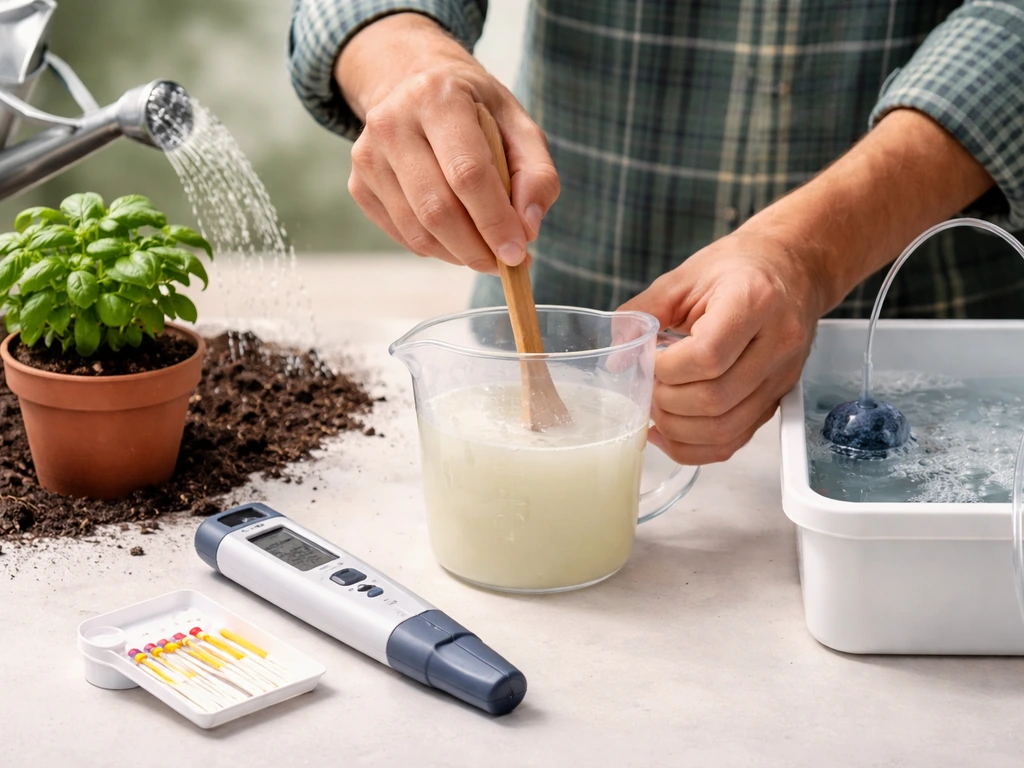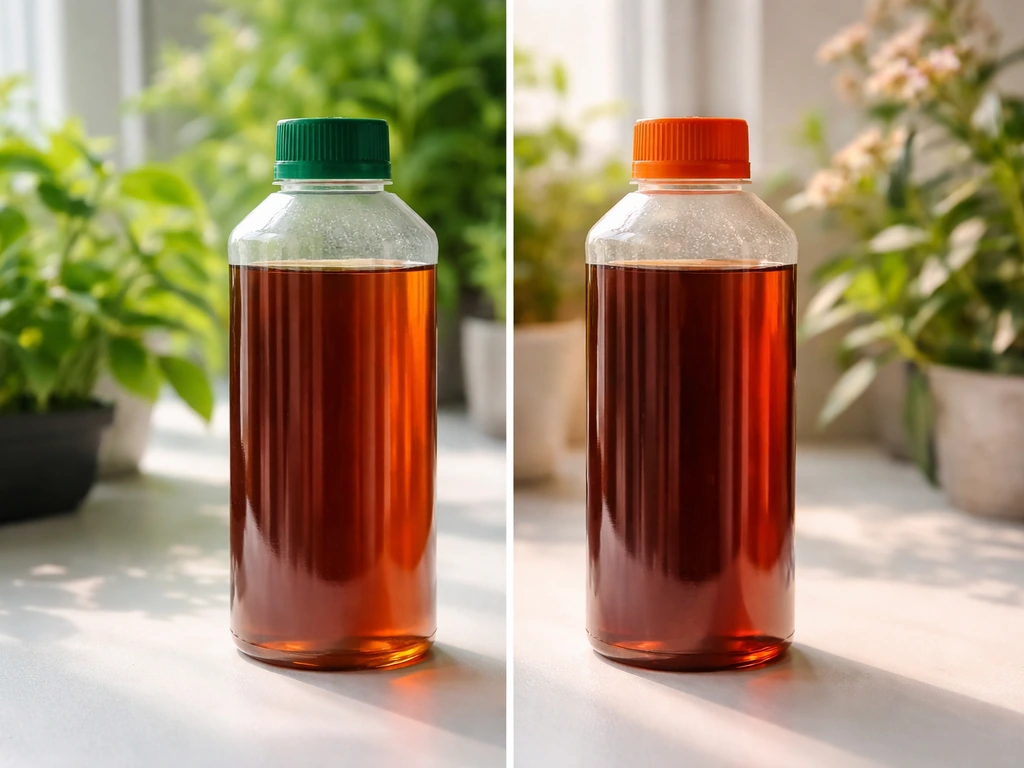
Grow Fast by Professor's Nutrients is a concentrated liquid vegetative booster designed to accelerate plant growth during the veg stage. It is a high-nitrogen, low-phosphorus formula, which means it drives stem elongation, leaf development, and overall biomass without triggering the kind of excess stretch that a high-phosphorus product would cause. The goal is simple: shorten your vegetative cycle by feeding plants what they need most during that phase, nitrogen, in a concentrated, immediately available liquid form. Both a standard synthetic version and a certified organic version (Grow Fast Organic) exist, and the instructions differ slightly between them, so it matters which one you have in your hand.
Grow Fast Liquid Fertilizer How to Use It Safely

Marcus Holloway
20 Apr 2026
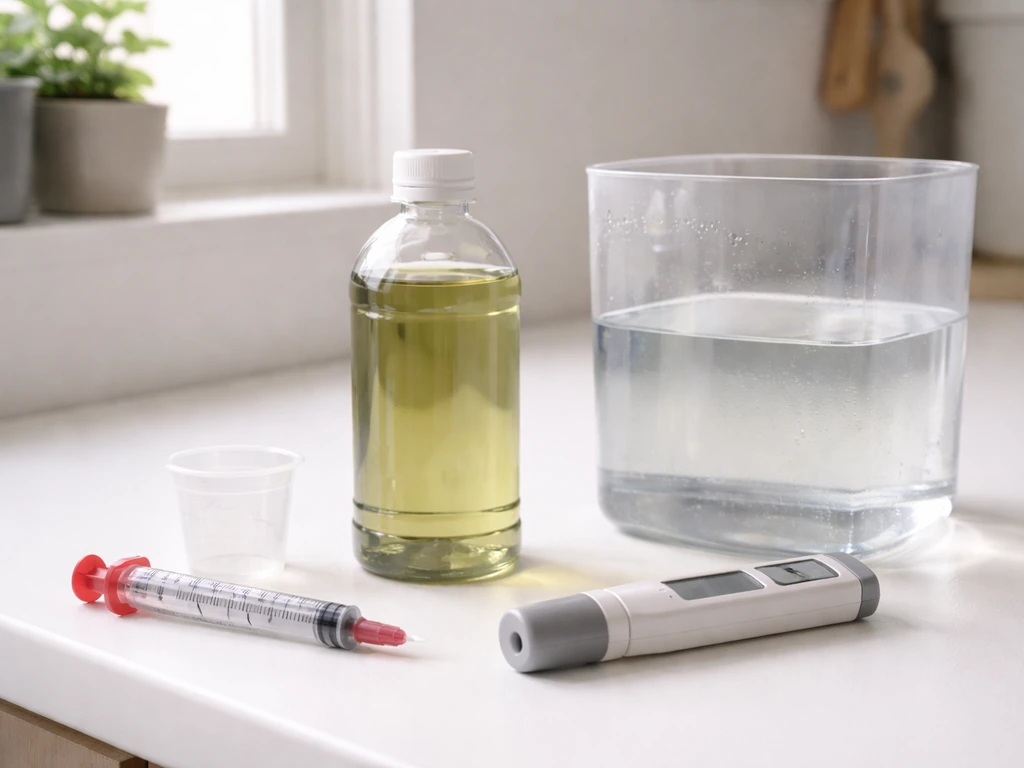
Neither version is a complete standalone fertilizer. Think of Grow Fast as a booster you layer on top of your base nutrient regimen, not a replacement for it. It is not a bloom formula and should not be used once your plants flip to flower. That distinction matters a lot and is one of the most common mistakes growers make with this product.
What Grow Fast is actually for
Grow Fast is positioned as a dynamic growth enhancer for the vegetative stage. The high-nitrogen profile supports the cellular processes behind rapid leaf and stem production, which is exactly what you want during veg. The low phosphorus is intentional: too much phosphorus early can push plants into premature reproductive signaling and cause sloppy, floppy growth. By keeping phosphorus low and nitrogen high, the formula keeps plants compact, vigorous, and structurally sound while they bulk up canopy.
The organic version, Grow Fast Organic, carries the same vegetative focus but uses inputs certified by The Organic Food Chain, making it suitable for growers who want to stay away from synthetic nitrogen sources. Certified organic does not mean weaker or slower, but it does mean you need to handle pH a bit differently, which I will cover in its own section below.
Step-by-step: how to mix and apply Grow Fast
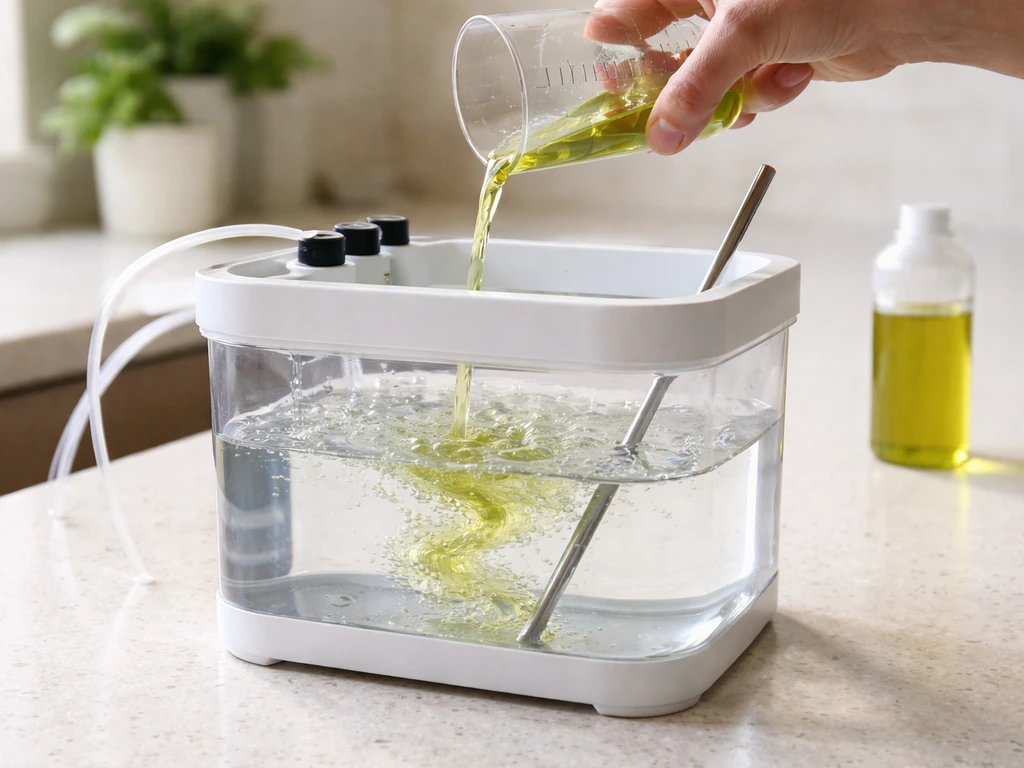
The mixing process is straightforward but sequence matters, especially in hydroponics. Here is the routine that keeps things consistent and avoids pH chaos. If you are trying multi grow fertiliser how to use, apply it as a staged root-zone booster and match the dose to your veg timing, pH, and EC targets Grow Fast.
- Start with your full volume of plain, pH-neutral water in a clean reservoir or mixing bucket.
- Add your base nutrient solution first and mix it in thoroughly.
- Add Grow Fast at the correct dose for your medium (see ratios below) and stir or agitate well.
- Add any other additives (CalMag, beneficial microbes, etc.) in the order specified by your brand's feeding chart.
- Check EC or PPM to confirm you are in the right concentration range for the plant stage.
- Adjust pH last, after everything is dissolved. This is non-negotiable. Adding pH adjuster before nutrients means your pH will drift once the nutrients go in.
- Let the solution sit for 2 to 3 minutes, then check pH and EC one final time before applying.
For standard Grow Fast (non-organic), the published hydroponic dose is 2.5 mL per 1 litre of nutrient solution. For soil use, the same concentrate-to-water logic applies but you have a little more buffer since soil has natural cation exchange capacity that slows how fast nutrients hit the roots. Start at the lower end of the range and scale up only if plants are responding well.
Apply to the root zone through your normal watering or feeding cycle. Do not apply to a bone-dry medium without pre-wetting first, as concentrated liquid nutrients hitting dry roots increases burn risk significantly. Canopy foliar application is not the intended delivery method for this product; keep it at the root zone.
Using Grow Fast Organic: what the certification means and how it changes your approach
Grow Fast Organic is certified by The Organic Food Chain as an approved organic input. That certification is meaningful. It means the nitrogen sources and other inputs meet a verified standard, not just a marketing claim on the label. When you are sourcing it, look for that certification reference on the packaging or retailer listing. If you cannot verify it, contact the retailer before assuming organic status.
The organic version carries a dilution range of 2 to 4 mL per 1 litre of water (or nutrient solution in hydroponics). That range gives you room to dial in by plant size and response. Start at 2 mL per litre for the first application, observe the plant over 48 to 72 hours, and move toward 4 mL per litre only if growth response is strong and no stress signs appear.
The most important practical difference with the organic version: organics naturally lower pH more than synthetic equivalents. The manufacturer flags this explicitly and recommends using an organic pH adjuster rather than a standard pH-up/down product. Using a conventional synthetic pH adjuster defeats the purpose of running an organic feed and can introduce inputs that conflict with organic certification for your crop. Grab a certified organic pH adjustment product and keep it in your kit alongside the Grow Fast Organic.
Soil vs. hydroponics: the instructions are not the same
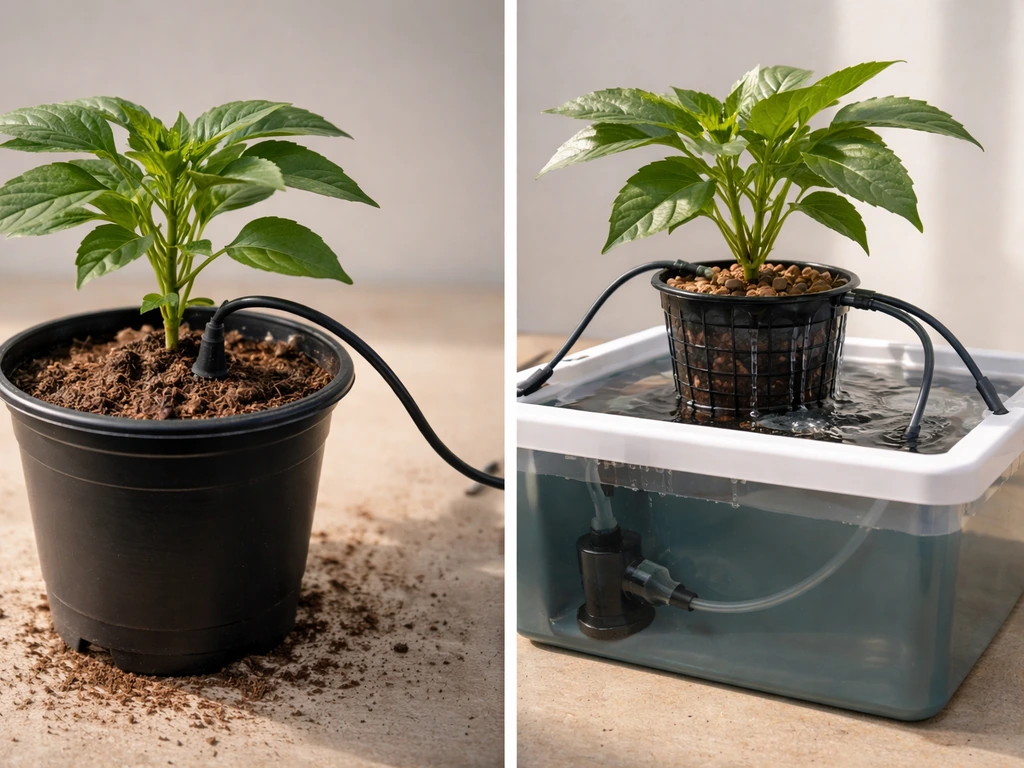
The biggest mistake I see is growers treating liquid fertilizer as one-size-fits-all across mediums. Grow Fast behaves differently depending on whether it is going into a living soil system, a coco/perlite mix, or a recirculating DWC reservoir. Here is how to think about each situation.
| Factor | Soil / Outdoor | Hydroponics (Run-to-Waste) | Hydroponics (Recirculating) |
|---|---|---|---|
| Dose (standard) | 2.5 mL per L (match to base feed) | 2.5 mL per L of nutrient solution | 2.5 mL per L (monitor reservoir EC carefully) |
| Dose (organic version) | 2–4 mL per L of water | 2–4 mL per L of nutrient solution | 2–4 mL per L (start low, watch EC drift) |
| Frequency | Every watering during veg, or every other watering for sensitive plants | Every feed during veg (week 2 onward) | Maintain in reservoir; top-off with fresh solution |
| pH target | 6.0–7.0 | 5.5–6.5 | 5.5–6.5 |
| Salt buildup risk | Lower (soil buffers) | Moderate (flush medium periodically) | Higher (salts accumulate in reservoir) |
| Root burn risk | Low-moderate | Moderate (test EC before each feed) | Higher (concentration can spike if not monitored) |
| Flush schedule | Every 4–6 weeks with plain water | Every 1–2 weeks with plain pH-adjusted water | Full reservoir change every 7–10 days |
Run-to-waste vs. recirculating systems
In a run-to-waste setup (drip systems, hand-watered coco), you mix fresh nutrient solution each time and discard the runoff. This is forgiving because you are not re-exposing roots to concentrated solution that has had nutrients stripped out unevenly. Grow Fast works cleanly in this setup: mix at 2.5 mL per litre, check EC, adjust pH, feed, done.
In a recirculating system (DWC, RDWC, NFT), the same solution cycles past roots repeatedly. This means concentration builds over time as plants absorb water faster than nutrients, or conversely, nutrients accumulate if uptake slows. Check EC daily in a recirculating system when you are adding a booster like Grow Fast. If EC climbs more than 0.3 to 0.5 above your target between reservoir checks, dilute with plain pH-adjusted water rather than adding more nutrient solution. Replace the entire reservoir every 7 to 10 days to reset salt balance and avoid organic matter buildup if you are running the organic version.
Adjusting the dose by plant stage
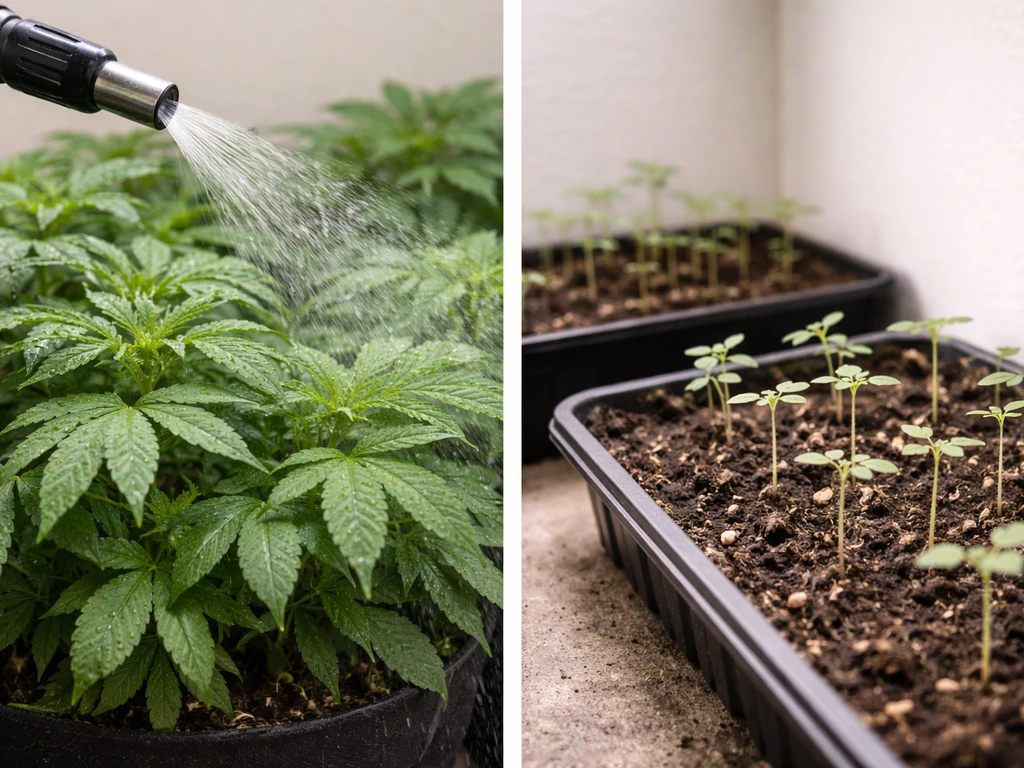
Grow Fast is strictly a vegetative product. Start it in week 2 of the vegetative stage, not during seedling. Seedlings are fragile and do not need or benefit from a nitrogen booster. Feed them plain water or a very light base solution until they have developed their third or fourth set of true leaves and the root system has established.
From week 2 of veg onward, run Grow Fast at the recommended dose alongside your base nutrients. Continue through the vegetative stage, right up until the point you shift lighting or trigger flowering. Stop Grow Fast completely at the start of flower. It is not formulated for the bloom phase, and continuing it into flower will push leafy, nitrogen-heavy growth at the expense of bud development. Swap it out for a bloom-focused additive at that transition point.
| Plant Stage | Use Grow Fast? | Dose (Standard) | Dose (Organic) | Notes |
|---|---|---|---|---|
| Seedling (week 1–2) | No | None | None | Too sensitive; plain water or very light base only |
| Early veg (week 2–3) | Yes, start here | 2.5 mL per L | 2 mL per L | Start at lower end, observe response |
| Mid-to-late veg | Yes | 2.5 mL per L | 2–4 mL per L | Increase organic dose if plants respond well |
| Transition to flower | Stop | None | None | Switch to bloom formula; do not carry over Grow Fast |
| Flower / bloom | No | None | None | High nitrogen will suppress bud development |
Common mistakes and how to avoid them
Overfeeding and nutrient burn
The most obvious sign of overfeeding is leaf tip burn, sometimes called 'the claw,' where tips turn yellow then brown and curl downward. This happens when EC gets too high, meaning roots are surrounded by a more concentrated solution than they can handle. The fix is not to flush aggressively and start over every time. First, check your EC. If it is above the appropriate range for veg (typically 1.2 to 2.0 for most cannabis and fast-growing crops), dilute your reservoir or skip a feed and water with plain pH-adjusted water. Then recheck EC the next day before resuming the full feeding dose.
Salt buildup in the medium
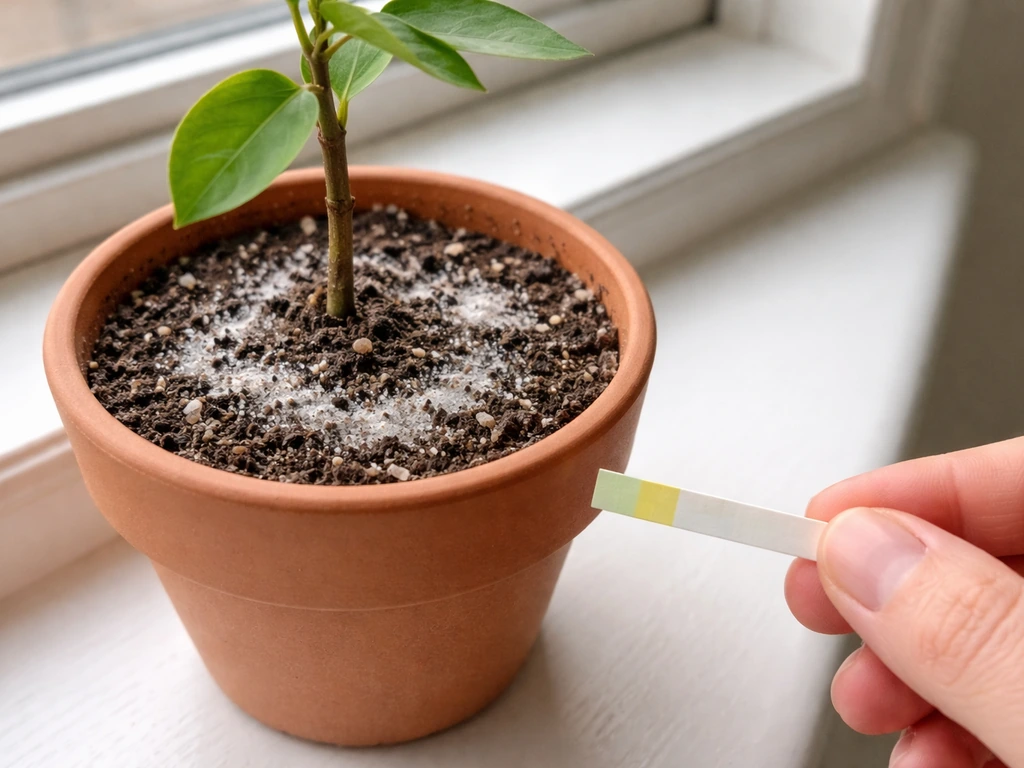
Liquid fertilizers, especially concentrated ones, leave mineral salts behind in the growing medium over time. In soil, this shows up as a white crusty layer on the surface or on the edges of pots. In coco and hydroponic systems, it builds in the root zone and can lock out other nutrients even when your EC looks fine. Flushing with plain, pH-adjusted water every few weeks breaks this cycle. In coco, aim for 10 to 20 percent runoff with every feed to prevent accumulation.
pH problems causing nutrient lockout
You can be feeding at a perfect dose and still see deficiency symptoms if pH is off. Each nutrient has a specific pH band where it is available for root uptake. Nitrogen, which is what Grow Fast delivers in high amounts, becomes unavailable to plants when pH drifts too high or too low. In hydroponics, keep pH between 5.5 and 6.5. In soil, keep it between 6.0 and 7.0. If you are running Grow Fast Organic and pH keeps dropping below 5.5, switch to an organic pH-up product immediately rather than adding more of a conventional adjuster.
Using Grow Fast in flower by accident
This is surprisingly common when growers are transitioning and forget to update their feeding chart. A nitrogen-heavy booster in week 1 or 2 of flower will not kill your plant immediately, but it will delay the bloom trigger and produce an excess of leafy tissue when you want the plant's energy going into flowers. If you have accidentally applied it early in flower, skip the next one or two Grow Fast feeds, water with plain water, and let the plant settle into the bloom phase before resuming only your bloom-specific additives.
How to measure results and when to flush or stop feeding
The two numbers that matter most are pH and EC (electrical conductivity, sometimes measured as PPM). pH tells you whether nutrients can actually be absorbed. EC tells you how concentrated your solution is. Measure both every time you mix a new feed, and in recirculating systems, check EC daily.
For EC targets in the vegetative stage, most fast-growing crops perform well in the 1.2 to 2.0 mS/cm range (roughly 600 to 1000 PPM on a 0.5 conversion scale). When you add Grow Fast to your base nutrients, check that your combined EC still lands in this window. If adding Grow Fast pushes your EC above 2.0, reduce the base nutrient dose slightly to compensate rather than simply cutting the Grow Fast dose, since the whole point of using it is the nitrogen contribution.
Visible results from Grow Fast should be noticeable within 5 to 7 days of the first application. You are looking for new growth nodes, broader and deeper green leaves, and increased internodal spacing that is still compact and structured rather than stretchy. If you do not see improved vigor within two weeks of starting the product at the correct dose, check pH first, then EC, and then examine root health before increasing the dose.
When to flush and how
Flush in soil every 4 to 6 weeks during a long vegetative run by feeding two to three waterings of plain, pH-adjusted water in a row before resuming nutrients. In coco and hydroponic run-to-waste, flush every one to two weeks using at least twice the pot volume in plain water to push accumulated salts out through the bottom. In recirculating hydroponics, a full reservoir dump and refill with fresh solution every 7 to 10 days is more effective than trying to flush in place.
At the end of veg and the transition into flower, do a proper flush before switching to bloom nutrients. This clears residual nitrogen and gives you a clean slate for the bloom feeding program. Run plain, pH-adjusted water until runoff EC drops close to that of your input water (within 0.2 to 0.3 mS/cm), then start your bloom feed on the next watering.
Your practical next steps starting today
If your plants are in week 2 of veg or later, you can start using Grow Fast today. Mix it at 2.5 mL per litre (standard) or 2 mL per litre (organic) alongside your base nutrients, check EC to confirm you are in the 1.2 to 2.0 range, adjust pH last to 5.5 to 6.5 for hydro or 6.0 to 7.0 for soil, and water normally. For detailed guidance on grow more fertilizer 20-20-20, follow the same idea of dosing based on your growth stage, checking EC and pH, and applying it to the root zone rather than during flower grow more fertilizer 20-20-20 how to use. Do the same at your next scheduled feed. Watch the canopy over the following week for new growth and improved color. If leaves tip-burn, reduce your overall feed concentration by 10 to 15 percent before assuming Grow Fast is the problem. And when your plants flip to flower, pull Grow Fast from the schedule entirely and do not go back to it until the next veg run.
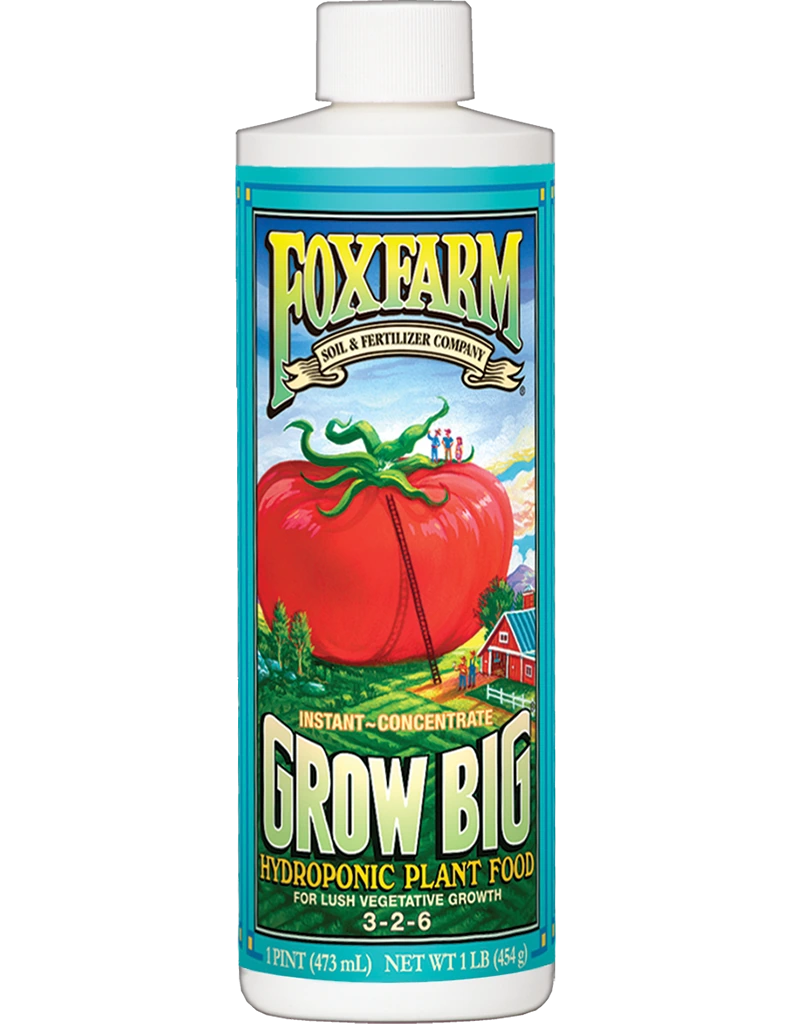
For growers comparing this to other liquid fertilizer options, products like Fox Farm Grow Big, Advanced Nutrients Grow-Micro-Bloom, and multi-purpose liquid fertilizers serve similar vegetative roles but differ in their nitrogen forms, additive compatibility, and organic status. Fox Farm Grow Big Hydro is commonly treated as a vegetative booster, but whether you can use it in soil depends on your base nutrients and your soil or reservoir pH and EC targets. Grow Fast's narrow veg focus and certified organic variant make it a useful specialist tool, but it works best as part of a broader nutrient stack rather than as your only product. If you want to grow best liquid plant food results, treat this as a targeted vegetative booster and match it to your stage, pH, and EC targets. If you are also evaluating foliar feeding approaches during veg, that is a separate application method worth understanding alongside root-zone feeding schedules. A good foliar fertilizer strategy can complement root-zone nutrients by delivering additional growth support directly to the leaves foliar feeding approaches. If you are comparing fox farm options, the key difference between Fox Farm Grow Big and Big Bloom is that Grow Big is geared toward vegetative nitrogen while Big Bloom is designed for bloom support.
FAQ
Can I use Grow Fast liquid fertilizer as my only fertilizer, or do I still need a base nutrient?
Use Grow Fast as an additive to a complete base nutrient regimen. It is a vegetative booster, not a full nutrient program, so you still need your standard macronutrients and micros to avoid hidden deficiencies even if plants look greener at first.
What should I do if my pH is stable but EC keeps rising in a recirculating system?
If EC climbs beyond your target between checks, do not keep adding Grow Fast or even more base nutrients. Dilute the reservoir with plain, pH-adjusted water, then recheck EC after mixing thoroughly. If EC rebounds quickly, reduce how much solution you top up (plants may be taking up water faster than nutrients).
Is foliar feeding ever appropriate with Grow Fast?
Avoid using it as a foliar product. It is intended for root-zone delivery, and concentrating it on leaves increases burn risk and can waste nutrients that never reach the root uptake zone.
How do I handle the first application if my plants are behind schedule or stressed?
Start lower than the full dose and prioritize stabilizing pH and root health first. If your plants are stressed (drooping, pale leaves, stalled growth), apply the booster at the minimum suggested rate, then reassess EC and pH before increasing.
What if I accidentally added Grow Fast in early flower?
Skip the next one or two booster feedings, water with plain pH-adjusted water, and switch focus to bloom additives. Do not try to “correct” the mistake by increasing Grow Fast to force faster bud development, since the nitrogen-heavy growth will still compete with flowering.
How can I tell whether a problem is EC, pH, or actual nutrient deficiency when using Grow Fast?
Check EC and pH first, then look at timing and pattern. Leaf tip burn that matches high EC is usually concentration stress, while widespread yellowing that persists at correct EC can indicate pH drift or lack of another required element from your base nutrients. Correct pH and EC before changing doses.
Should I flush more often if I’m using the organic version of Grow Fast?
Yes, be more deliberate about salt and buildup control. Organic feeds can increase the chance of organic matter accumulation in reservoirs, so follow the reservoir reset interval (about every 7 to 10 days in recirculating systems) and consider more frequent medium flushing in coco to prevent locking out nutrients.
What’s the safest way to adjust dose if I see clawing (tip burn) after starting Grow Fast?
Reduce overall feed concentration by about 10 to 15 percent, then recheck EC the same day and again the next day. If EC is already high, dilute or skip a feed rather than continuing the full-dose booster schedule.
Can Grow Fast be used in coco, but with runoff targets different from soil?
Yes, but coco is more prone to salt accumulation without consistent runoff. Aim for meaningful runoff (often 10 to 20 percent per feed), keep pH in the coco/hydro-appropriate range, and verify EC in the runoff if you want an extra control point.
When is the best time of day to apply the root-zone feed?
Apply during your normal watering window, but avoid periods when lighting will immediately spike stress. If your setup allows it, feed when temperatures are moderate so plants can recover quickly, then measure EC and pH after mixing to ensure accuracy.
What if I do not get visible improvement after 7 to 10 days of using Grow Fast correctly?
Before increasing dose, confirm the basics: verify pH is in range, confirm combined EC stays in your vegetative window, and inspect roots for health (especially in hydroponics or recirculating systems). If roots are underperforming, a higher nitrogen booster can worsen stress rather than fix it.
Does using Grow Fast affect my overall feeding chart for future weeks?
Yes. Because Grow Fast adds nitrogen and can raise EC, you may need to slightly lower your base nutrient dose to keep total EC consistent over time. Adjust week-to-week based on measured EC and plant response, not just the fixed booster rate.