Mix 1 teaspoon of Grow More 30-10-10 per gallon of water for most vegetative feeding, keep your pH between 6.0 and 6.5 in soil (or 5.5 to 6.0 in hydro), and feed every 7 to 10 days during active growth. That covers the basics. But getting the most out of this fertilizer means understanding when to push the dose, when to back off, and what your plants are telling you when something is off. Here is the full breakdown.
How to Use Grow More 30-10-10: Soil and Hydro Steps

Marcus Holloway
20 May 2026
What 30-10-10 means and which plants it's built for
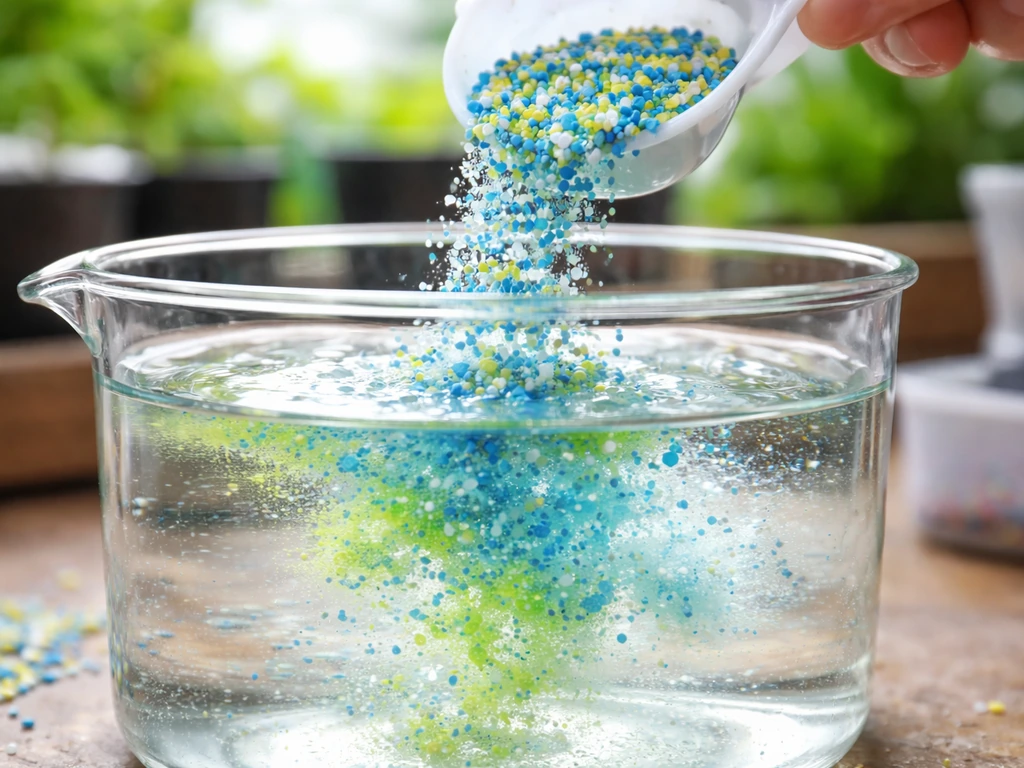
The three numbers on any fertilizer bag are the N-P-K ratio: nitrogen (N), phosphorus (P), and potassium (K). Grow More 30-10-10 contains 30% total nitrogen, 10% available phosphate (P2O5), and 10% soluble potash (K2O). That lopsided nitrogen figure is the whole point. Nitrogen is the engine behind leaf and stem development, chlorophyll production, and overall vegetative vigor. A 30-10-10 profile is intentionally front-loaded with nitrogen to drive fast, lush growth.
blank" rel="noopener noreferrer">Looking at the nitrogen breakdown on the label tells you something useful: of that 30% total N, only 2.0% is ammoniacal nitrogen and 2.80% is nitrate nitrogen. The remaining 25.20% is urea nitrogen. Urea is quick-releasing and very efficient in solution, which is why this product dissolves completely in cold water and works fast. It also means plants absorb it rapidly, so overfeeding shows up quickly as tip burn or dark, claw-like leaves.
This formulation is best suited to the vegetative or growth phase of any plant: cannabis in veg, leafy greens, herbs, fast-growing tropicals, seedlings transitioning to teens, and container foliage plants. It is not what you reach for during bloom or fruiting, when plants shift their demand toward phosphorus and potassium. Think of 30-10-10 as a dedicated veg fertilizer rather than an all-purpose product.
When to use it in the grow cycle
Start using Grow More 30-10-10 after your seedlings have their first two to three sets of true leaves and are actively pushing new growth. Before that point, seedlings have enough stored energy and do not need heavy nitrogen. Introducing it too early in seedling trays or plugs can lock out calcium and cause more harm than good.
During the full vegetative window, which might run weeks 2 through 5 for a typical indoor grow, this is your main base nutrient. If you want to start eminent grow main at the right time, begin after your seedlings are actively pushing new growth and stick to the standard veg feed interval how to start eminent grow main. Feed every 7 to 10 days at the standard dose. As you move into pre-flower (the last week or two before flipping to 12/12 in cannabis, or when you see the first flower buds forming on other species), start tapering. Drop to half the dose for one or two feedings, then transition to a bloom-oriented fertilizer with a lower N and higher P and K profile.
For transplanting situations, the label specifically calls out a gentler rate of 2 lb per 100 gallons (roughly 1 teaspoon per gallon), applied as 1 cup of solution per plant. This dilute transplant feed helps roots establish without shocking the plant with heavy nitrogen while it is still recovering.
| Growth Stage | Recommended Use | Dosing Guidance |
|---|---|---|
| Seedling (weeks 1-2) | Avoid or use sparingly | No more than 1/4 tsp per gallon if used at all |
| Early veg (weeks 2-3) | Start feeding | 1 tsp per gallon, every 7-10 days |
| Full veg (weeks 3-5+) | Primary nutrient | 1-2 tsp per gallon, every 7-10 days |
| Transplanting | Establishment feed | 1 tsp per gallon, 1 cup per plant |
| Pre-flower transition | Taper off | 1/2 tsp per gallon, 1-2 feedings only |
| Flower / bloom | Stop using 30-10-10 | Switch to bloom formula |
How to mix and dose it correctly
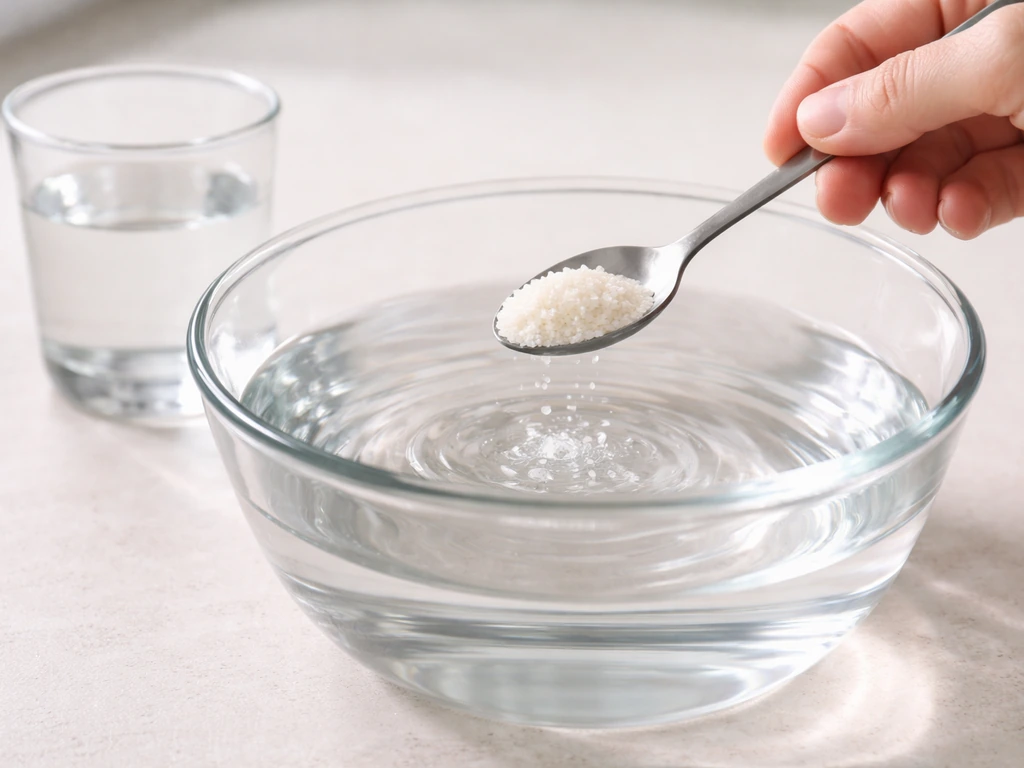
Grow More 30-10-10 is a dry water-soluble concentrate, and the label confirms it dissolves in cold water, so you do not need to heat anything. The official label rates are written for commercial scale: 2 to 4 lb per 100 gallons for greenhouse foliar work, 4 tsp per gallon for nursery foliar spray, and up to 3 lb per 100 gallons per week for container foliage plants on a continuous feed program. If you are wondering how to use Easy Grow fertilizer instead, the key is to match the dose and feeding interval to your growth stage and container size. For home growers working with 1 to 5 gallon containers and small reservoirs, those numbers need to be scaled way down.
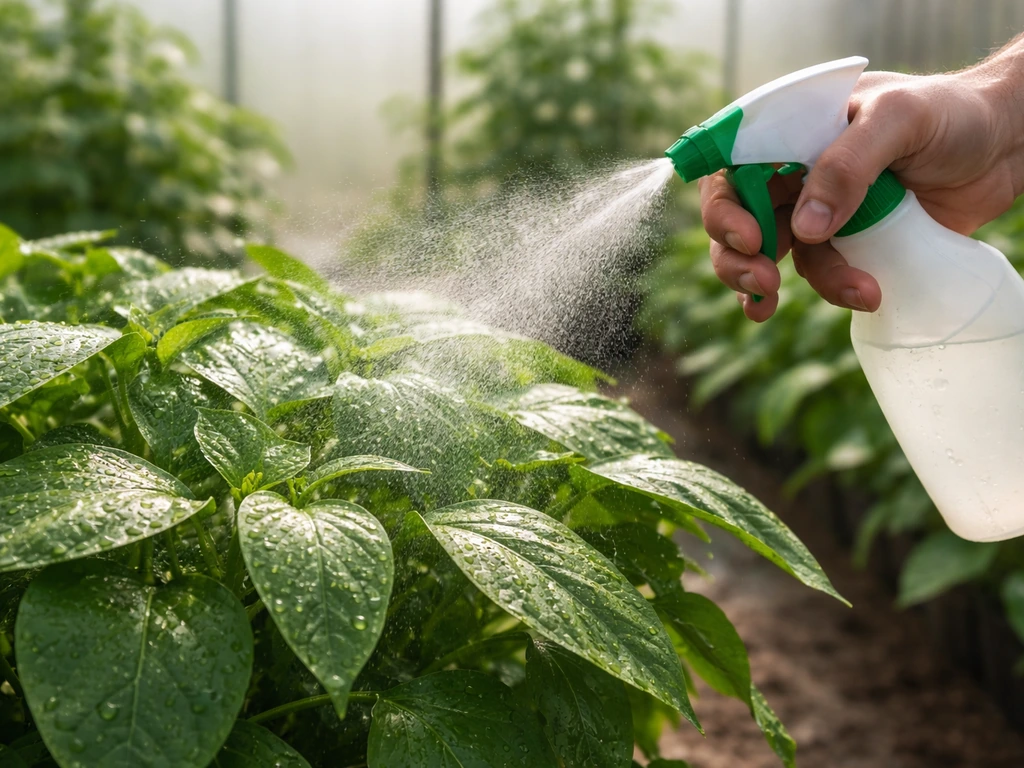
Here is how to convert the label rates to something usable at home. One pound equals roughly 2 cups of dry powder (the actual weight per volume varies slightly with packing, so weighing is more accurate). For the foliar rate of 4 tsp per gallon, that translates directly to home use and is on the stronger end. If you are trying to use power grow foliar fertilizer, start with this foliar mix rate and then adjust based on plant response and burn risk foliar rate of 4 tsp per gallon. For root-zone feeding, 1 to 2 tsp per gallon is a practical starting point that keeps you below burn thresholds for most plants in containers.
Always mix into room-temperature water before adding any other nutrients. Add the powder slowly while stirring or running a pump. Let it fully dissolve and the solution clear before checking pH or adding other products. Never dry-mix this with other fertilizers directly in the bag or bin unless you know for certain they are compatible. If you want a quick, practical walkthrough, follow this guide to use a DTE pump and grow product correctly for your setup how to use dr earth pump and grow.
A quick dose calculation for home growers
- Decide your batch size: how many gallons you need for one watering session.
- Choose your dose: start at 1 tsp per gallon for early veg, move to 1.5 to 2 tsp per gallon for peak veg if plants are responding well.
- Measure and add the powder to water, stir until fully dissolved.
- Check and adjust pH (targets below).
- Check EC or PPM to confirm concentration is in the right range.
- Feed, observe for 48 hours, and adjust next mix accordingly.
Using Grow More 30-10-10 in soil
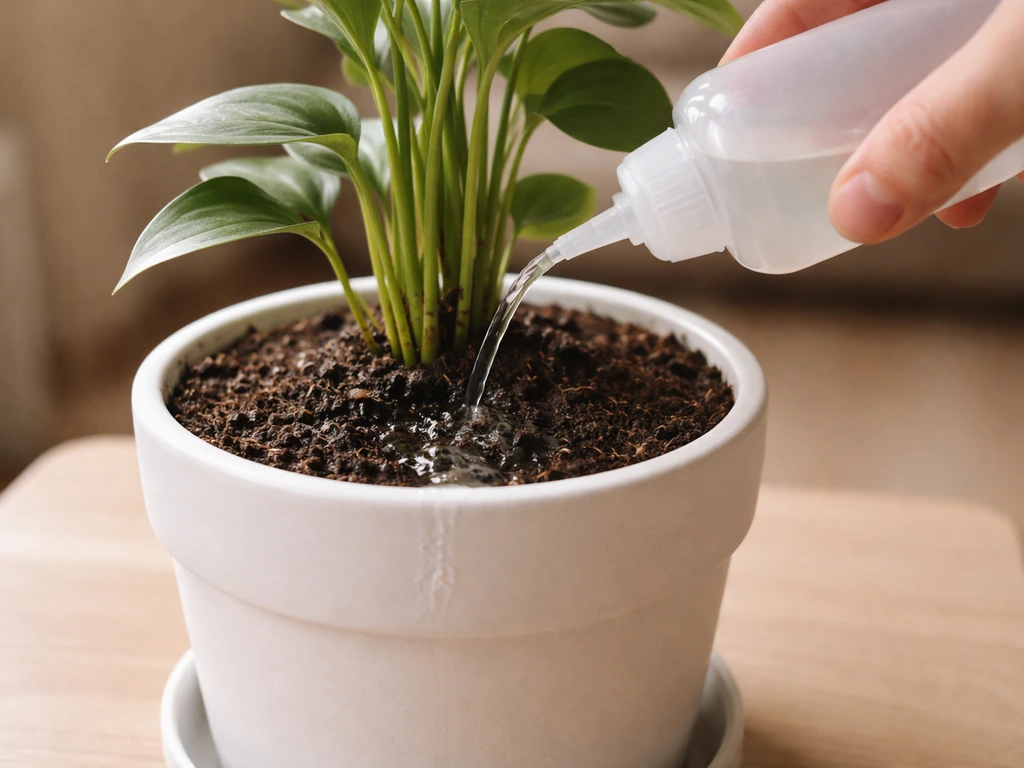
In soil, 30-10-10 works best as a liquid feed poured around the base of the plant rather than mixed dry into the medium. Pre-made potting mixes often contain starter nutrients that last two to four weeks, so hold off on feeding until you see the soil's initial charge depleting (slower growth, lighter green color in older leaves). When you start, water with plain pH-adjusted water on one watering, then feed on the next. This alternating approach, sometimes called a feed-water-feed cycle, prevents salt buildup and keeps roots healthy.
Top-dressing with the dry powder is possible but less precise and carries higher burn risk, especially in smaller containers where nitrogen has nowhere to disperse. If you go that route, use no more than 1 teaspoon of dry product per gallon of container volume, scratch it lightly into the top inch of soil, and water in thoroughly. I personally prefer liquid application for this formulation because the urea-dominant nitrogen profile is designed to work in solution.
For a standard soil feeding schedule in a vegetative grow, aim for every 7 to 10 days. Feed at 1 tsp per gallon for the first two weeks, bump to 1.5 tsp per gallon if plants are responding with dark green, glossy growth and no tip issues. Always water to 10 to 20% runoff to flush excess salts, and check that runoff pH stays between 6.2 and 6.5. If runoff is climbing above 7.0 or dropping below 5.8, correct the input water pH before your next feeding.
Using Grow More 30-10-10 in hydroponics
Because this product is 100% water-soluble with no fillers or clay carriers, it works cleanly in hydroponic systems: DWC, recirculating drip, NFT, and ebb-and-flow. Add it to a full reservoir of water and mix before adding other nutrients. The urea nitrogen content means you should monitor ammonia levels if you are running a system with beneficial bacteria, since urea conversion can shift ammonia levels in living reservoirs.
For DWC and recirculating systems, start at 1 tsp per gallon of reservoir volume and check EC before adding anything else. In a typical 5-gallon DWC bucket at 1 tsp per gallon, you are adding 5 tsp of product. That alone can push EC to around 1.2 to 1.6 mS/cm depending on your source water. Add your base nutrients and adjust from there to hit your target range for the growth stage.
For drip systems and NFT, the same concentration applies at the reservoir, but pay close attention to spray or emitter lines. High-nitrogen solutions can encourage algae growth if light gets into the reservoir or channels. Keep everything light-proofed and change out the reservoir every 7 to 10 days rather than topping off indefinitely, since nutrient ratios shift as plants uptake different elements at different rates.
In ebb-and-flow tables, mix your nutrient solution at the same 1 to 2 tsp per gallon rate, flood once or twice daily during veg, and check EC in the reservoir after each cycle to catch any concentration drift. Because 30-10-10 is heavily nitrogen-forward, it pairs well with a dedicated calcium-magnesium supplement in hydro, since calcium and magnesium are not present in this formula and compete with nitrogen for uptake at the root level.
pH, EC, and PPM targets you should actually be hitting
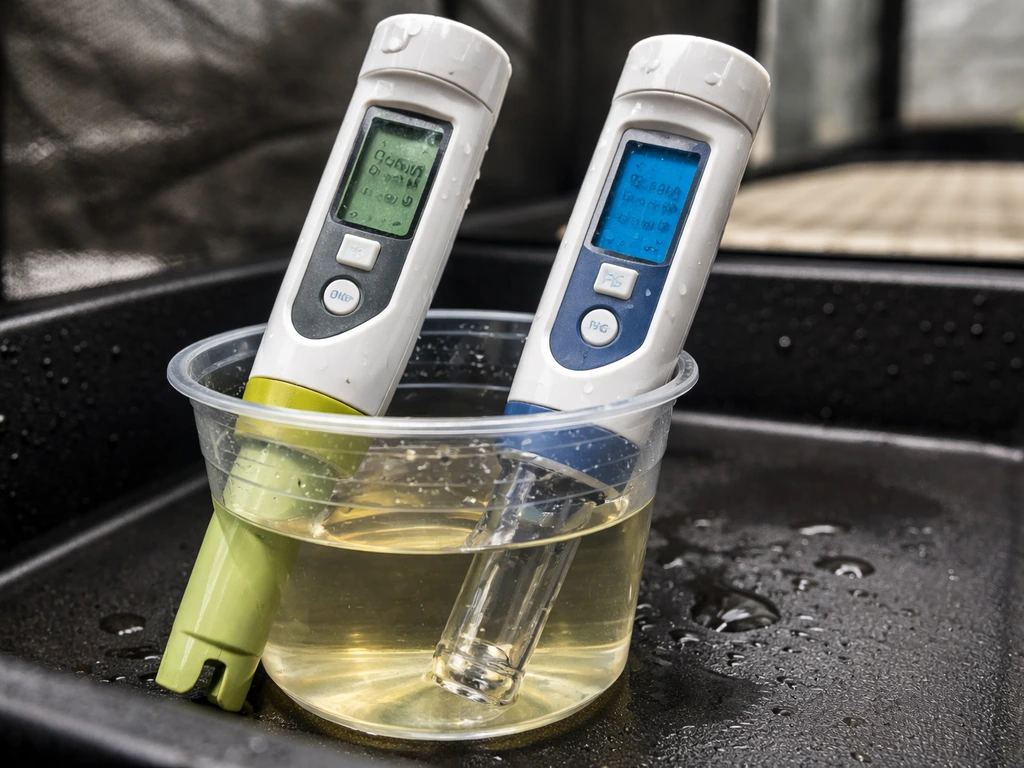
pH is the single biggest variable that determines whether your plants can even access the nutrients you are feeding them. Grow More 30-10-10 solution, when mixed in plain water, will typically drop pH slightly due to the urea and phosphate components. To dial in that pH reliably, follow the pH Perfect Micro-Bloom mixing and adjustment steps for your specific grow stage. Always check and adjust after mixing, not before.
| Growing Medium | Target pH Range | Target EC (mS/cm) | Target PPM (500 scale) |
|---|---|---|---|
| Soil / potting mix | 6.0 - 6.5 | 1.2 - 2.0 | 600 - 1000 PPM |
| Coco coir | 5.8 - 6.2 | 1.2 - 2.0 | 600 - 1000 PPM |
| Hydro (DWC / NFT / drip) | 5.5 - 6.0 | 1.0 - 1.8 | 500 - 900 PPM |
To raise pH, use pH Up (potassium hydroxide-based). To lower it, use pH Down (phosphoric acid). Add these in small increments, especially in a mixed nutrient solution, because pH Up and Down react quickly and it is easy to overshoot. A swing of even 0.5 pH units in the wrong direction can lock out calcium and magnesium in soil or block iron and manganese in hydro.
For EC and PPM, beginners should start at the lower end of the ranges above and only increase once plants show they want more (faster growth, healthy dark green color without clawing). If EC in your runoff or reservoir is climbing above your input level, that signals salt accumulation. Flush with plain pH-adjusted water and resume feeding at a lower concentration. If EC is dropping fast, plants are feeding heavily and you may need to replenish the reservoir more often.
Adjusting on the fly
Check pH and EC at every watering or reservoir change. If runoff pH in soil is consistently above 7.0, lower your input pH to 5.8 for one or two feedings to pull it back into range. If a plant suddenly shows interveinal yellowing on new growth despite adequate nitrogen, check if you have a pH-induced iron or manganese lockout before adding more fertilizer. Adding more nitrogen on top of a lockout situation makes things worse, not better.
Common mistakes and how to fix them fast
Nitrogen burn
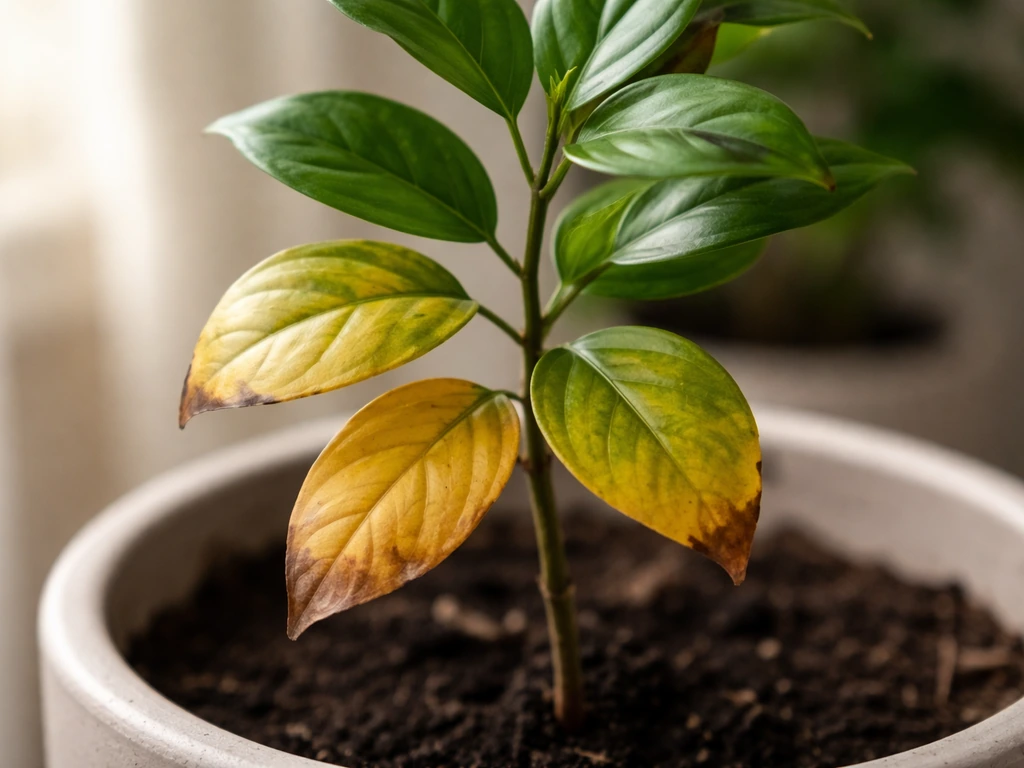
The most common problem with 30-10-10 is overfeeding nitrogen. You will see it first at leaf tips: yellowing or browning that looks burned, starting on the outermost edges and working inward. Leaves may also curl downward (the classic nitrogen claw) and take on a very dark, almost blue-green color before the tips show damage. If this happens, flush immediately with plain pH-adjusted water, skip one feeding cycle, and return at half the previous dose.
Nutrient deficiency during veg
If leaves are yellowing from the bottom up and older leaves are fading while new growth stays green, that is a mobile nutrient deficiency, most likely nitrogen itself being insufficient. This can happen if your soil's pH has drifted out of range and is blocking uptake even when nutrients are present. Correct pH first, then confirm your feeding concentration is high enough. A pale, washed-out look across the whole plant usually means you need to increase your dose or frequency.
Salt buildup in soil
If you see white crusty deposits on top of your soil or around container drainage holes, salts are accumulating. This is common when growers do not water to runoff or feed too frequently. Flush the container with two to three times its volume in plain pH-adjusted water, let it drain fully, then resume feeding on a lighter schedule. In hydro, drain and replace the reservoir rather than trying to dilute the existing solution.
Mixing errors
Never add Grow More 30-10-10 directly to a concentrated stock solution of calcium-magnesium or calcium nitrate without diluting first. Combining concentrated phosphate with concentrated calcium can cause precipitation, dropping white or chalky solids out of solution. Always dilute into a reservoir or feeding bucket of water before adding other products, and add cal-mag separately.
Safety, storage, and transitioning off 30-10-10
Grow More 30-10-10 is a dry fertilizer salt, so keep it in a sealed container in a cool, dry location away from moisture. Humidity causes clumping and can degrade solubility over time. Do not store near seeds, foodstuffs, or any growing media in use. Wear gloves when handling dry powder to avoid skin irritation, and avoid inhaling dust when opening and scooping. If you mix large batches, safety glasses are worth it since powder can splash when added to water.
Because the nitrogen content is high, keep mixed solutions away from drains or waterways. Do not dump large quantities of unused nutrient solution into storm drains. Dilute heavily with water if disposal is necessary, or water into an established lawn or garden bed where the nitrogen will be absorbed.
When it is time to transition off 30-10-10, taper rather than stop cold. In the last week of veg or the first week of pre-flower, cut your dose by half for one or two feedings. This gives plants a buffer rather than an abrupt nutritional shift. At that point, move to a bloom fertilizer with a lower nitrogen and higher phosphorus and potassium profile. Products built on a balanced or bloom-forward N-P-K ratio will take over from there and support flower development. If you are comparing different nutrient lines or approaches, looking at how pH-balanced nutrient programs manage this transition can be worth the research time.
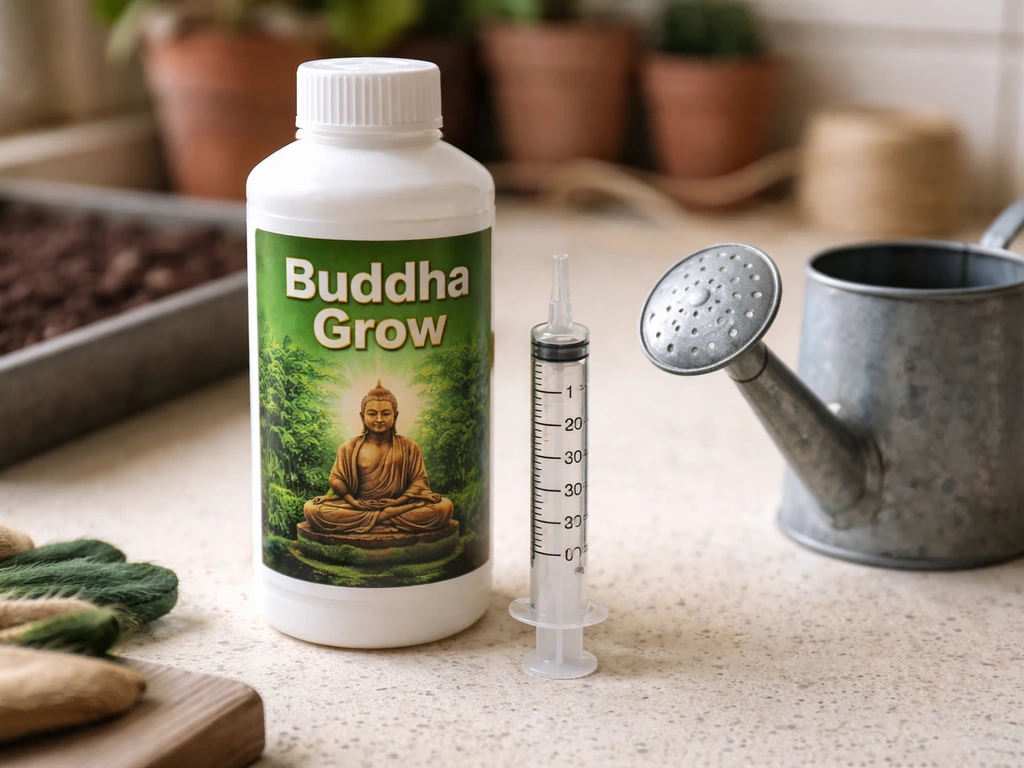
One last thing worth knowing: 30-10-10 is a single-part fertilizer, not a complete nutrient program on its own. If you are wondering how to use Roots Organics Buddha Grow, the dosing and supplementing approach needs to match your plant’s growth stage the same way Grow More 30-10-10. It does not contain calcium, magnesium, sulfur, or micronutrients. For a full grow cycle, especially in hydro or coco, you need to supplement those elements separately. In soil with a quality pre-amended mix, you can often get through veg without worrying about it, but watch for calcium and magnesium deficiency symptoms (brown spots on leaves, interveinal yellowing on newer growth) as signs you need to add a separate cal-mag product.
FAQ
Can I use Grow More 30-10-10 on seedlings before they have true leaves?
You generally should not. The formula is nitrogen-forward, so starting before seedlings have at least their first two to three sets of true leaves can increase the risk of nutrient burn and also disrupt nutrient uptake while the root system is still establishing. If you must fertilize early, use a much lower dilution and watch leaf color and tip shape closely.
What if my plants look healthy but growth slows down after a few feeds, should I increase the dose?
First confirm the pH and EC have not drifted, then check for salt buildup. In soil, if older leaves start fading while new growth stalls, pH lockout is common, so correcting input and runoff pH comes before increasing fertilizer. In hydro, if EC is rising or reservoir levels keep getting “consumed” quickly, you may need reservoir changes and rebalancing rather than higher concentration.
How do I tell the difference between nitrogen burn from overfeeding and nitrogen deficiency?
Burn typically starts at leaf tips or edges and can progress inward, often with dark green coloration before browning. Deficiency usually shows up as yellowing that starts on older, lower leaves (mobile symptoms) while new growth remains relatively greener. Also, burn often coincides with EC or runoff EC being higher than your input.
Should I measure the powder by teaspoons, or is weighing more accurate?
Weighing is more reliable because powder packing varies. The article gives conversions (like about 2 cups per pound), but if you want consistent EC and pH behavior especially in hydro, use a kitchen or scale for grams or ounces per batch, then keep feeding volume and reservoir top-off habits consistent.
Can I mix Grow More 30-10-10 with other nutrients in the same bucket?
You can usually mix into a reservoir, but never combine it dry and never dump it into a concentrated stock of calcium-magnesium or calcium nitrate. Add it to water first, fully dissolve, then add other products separately (particularly cal-mag) to avoid precipitation and clogged salts.
Is a feed-water-feed cycle always necessary in soil?
It is strongly recommended in container soil because it reduces salt accumulation, but it is not the only approach. If your runoff is consistently within range and salts are not building up, you can maintain a steady schedule, still monitoring runoff pH and EC every watering. If EC climbs, switch to the feed-water-feed cycle or increase flushing with plain pH-adjusted water.
How often should I check pH and EC when I am using a small reservoir or top-offs?
Check at every reservoir change, and also after significant top-offs. Topping off without fully replacing can shift nutrient ratios as plants take up elements at different rates, and with urea-based nitrogen, reservoir chemistry can change faster than you expect. If you notice pH drift or EC trending up, replace the reservoir sooner.
What do I do if my runoff pH is consistently above 7.0 in soil?
Lower your next inputs. The practical step is to drop your pH target into a slightly more acidic range for one or two feedings, then reassess runoff after those waterings. Also inspect whether you are watering enough to get proper runoff, because low runoff can trap salts and worsen pH drift.
Why do I sometimes get white crust around the soil surface or drainage holes?
That is usually salt buildup, most often from not watering to runoff, feeding too frequently, or allowing fertilizer to accumulate as water evaporates. Flush with plain pH-adjusted water until runoff is cleaner, drain fully, then resume at a lighter schedule. In hydro, the same idea means draining and replacing rather than trying to dilute an imbalanced reservoir.
Can I use Grow More 30-10-10 as a foliar spray in a home setup?
Yes, but it is higher risk because foliar feeding can burn quickly if concentration is too high. The article notes a stronger foliar rate, so for home use you should start at the low end, spray only with fully dissolved solution, and avoid doing it under intense light. If you see tip spotting or edge burn, stop foliar feeding and switch to root-zone dosing.
What calcium-magnesium should I use in hydro when pairing with 30-10-10?
Because this fertilizer does not supply cal-mag, add a dedicated cal-mag product appropriate for your system and water source hardness. The key decision is dosing separately (not as a concentrated combined stock) and then recheck pH and EC after mixing everything. If new growth shows interveinal yellowing or spotting, increase cal-mag only after you confirm pH is in range.
When should I stop 30-10-10 completely for bloom?
Do not stop cold-turkey. Taper first, typically cutting the dose by half for one or two feedings during the late veg to early pre-flower window, then move to a bloom-oriented fertilizer with lower nitrogen. This reduces shock and helps the plant transition without a sudden nutrient ratio flip.
Is it safe to store Grow More 30-10-10 mixed in water for later?
Avoid storing mixed nutrient solution for long periods unless you are maintaining a controlled reservoir. The article emphasizes checking and replacing reservoirs in hydro on a short cycle because ratios and chemistry shift, and urea-based nitrogen can alter reservoir conditions. For home batching, mix only what you will use on your next feeding cycle.