You do not need soil, a CO₂ injector, a water chiller, automated dosing equipment, or expensive "hydro-specific" nutrient lines to grow a healthy hydroponic plant. What you actually need comes down to five things: a container to hold water, a nutrient solution, oxygen at the root zone, a light source, and a way to check pH. If you are growing hops, those basics still apply, so focus on the right reservoir, nutrients, root-zone oxygen, light, and pH control five things. Everything else is an upgrade, not a requirement.
What Is Not Necessary to Grow a Hydroponic Plant
Marcus Holloway
27 May 2026
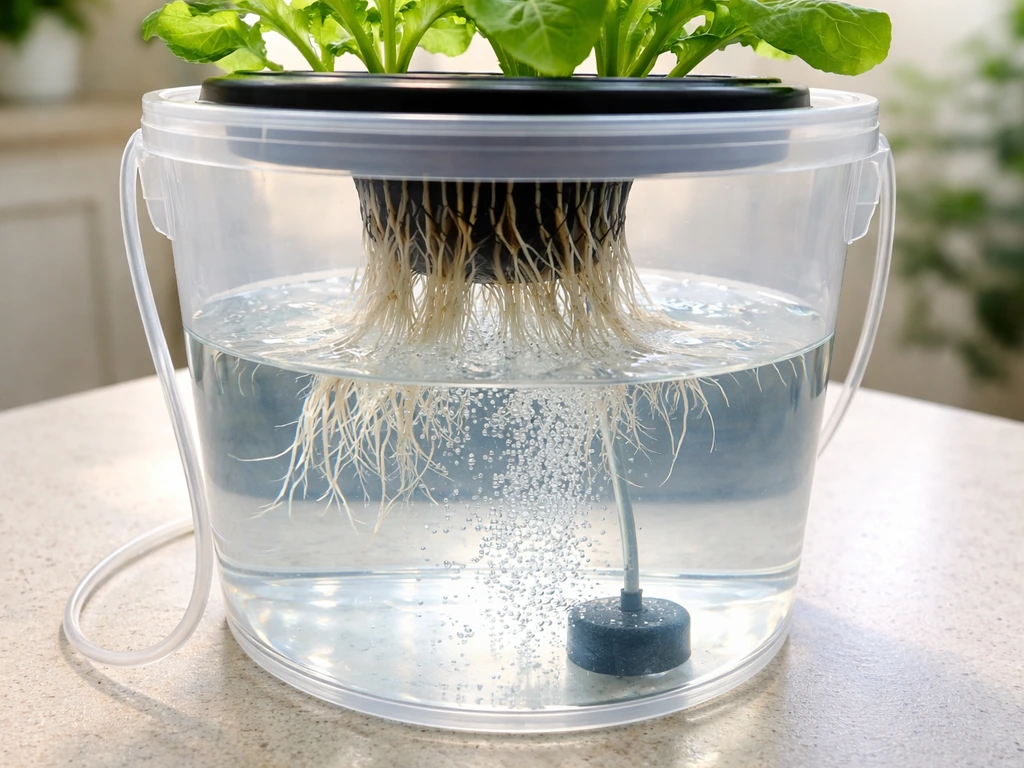
What a minimum viable hydroponic setup actually looks like
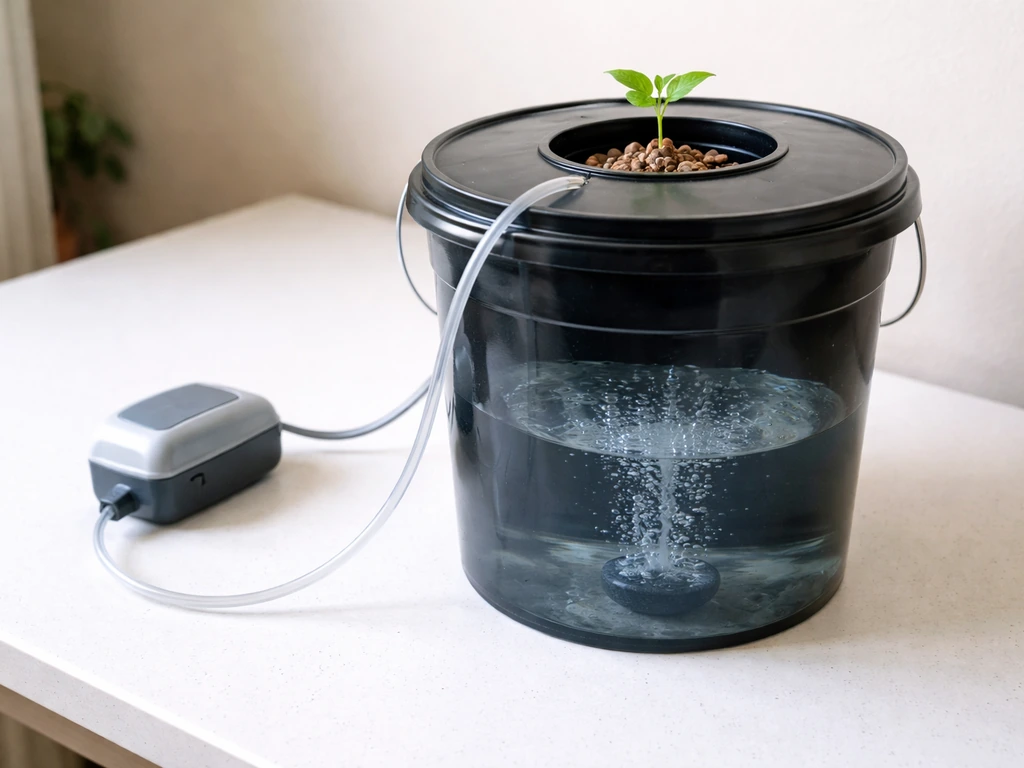
Strip hydroponics back to its core and you get a surprisingly short list. University extension programs that teach home hydroponics consistently land on the same starter components: a reservoir (a plastic tote works fine), an aquarium air pump with an air stone, net pots, a growing medium to support the roots, a balanced nutrient solution, and a light source whether that is a sunny south-facing window or a basic grow light. Add pH test strips or a cheap pH meter and you have everything you need to take a plant from seedling to harvest.
That is genuinely it. A deep water culture (DWC) bucket with an air stone and a bag of two-part nutrients can produce robust, fast-growing plants. I have run setups like this on a kitchen counter with a single LED panel overhead and gotten results that outpaced soil grows in the same space. The simplicity is the point. Once you accept that the list is short, you can stop second-guessing gear and start growing.
| Component | Required? | Budget Option |
|---|---|---|
| Reservoir / container | Yes | 5-gallon bucket or plastic storage tote |
| Air pump + air stone | Yes | Basic aquarium air pump (~$10–$15) |
| Net pots | Yes | Pack of 2-inch net pots (~$5) |
| Growing medium | Yes | Hydroton clay pebbles or rockwool cubes |
| Nutrient solution | Yes | General-purpose two-part or three-part liquid nutrients |
| pH testing | Yes | pH test strips ( |
| Light source | Yes | Sunny windowsill or a single-panel LED grow light |
| CO₂ system | No | Skippable entirely for home grows |
| Water chiller | No | Skippable; manage temps with room AC if needed |
| Automated dosing/sensors | No | Manual testing works fine at small scale |
| TDS/EC meter | Strongly recommended | Basic EC pen (~$15) |
What you can skip: no soil, no complicated media
Soil is not just unnecessary in hydroponics, it actively gets in the way. The entire premise of the system is that roots access nutrients directly through the water column rather than through biological soil processes. So soil and soil-based mixes like potting compost, peat blends, and coco mixed with soil are off the table by definition.
Growing media in hydroponics serves one job: physically anchoring the plant and allowing roots to hang into the nutrient solution. It is not a nutrient source. For that reason, you have a lot of flexibility. Expanded clay pebbles (hydroton) are the most common choice because they are reusable, drain freely, and do not alter pH. Rockwool cubes are popular for starting seeds and clones. Perlite works well in certain systems. What you do not need are expensive or exotic media options. Hemp grow mats, phenolic foam, and other specialty products exist and have their uses, but a $10 bag of clay pebbles handles the job for most home growers.
You also do not need a recirculating system to get started. A simple non-circulating Kratky setup (a passive DWC method with no pump at all, just a reservoir and a gap of air between the water surface and the net pot) can grow lettuce, herbs, and smaller plants with almost zero equipment. It will not outperform a pumped system, but it proves the point: media choices and system complexity are optional variables, not requirements.
Lighting: what you need vs. what the marketing wants you to buy
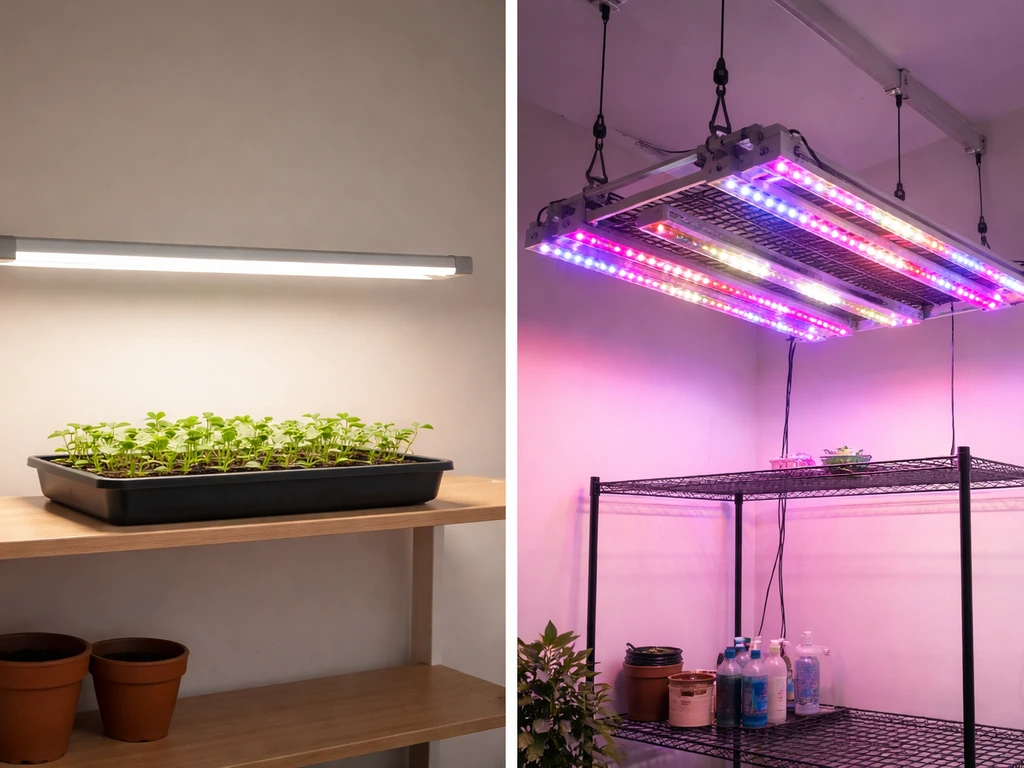
Light is a genuine requirement. Plants need adequate intensity and the right photoperiod to grow, and that is not negotiable. What is negotiable is how much you spend on it. A well-positioned south-facing window can support herbs and leafy greens without any artificial light at all. For fruiting plants, faster growth, or grows in darker spaces, a supplemental grow light matters.
Where people overspend is on spectrum complexity. You do not need a light with separate veg and bloom spectra, UV and IR channels, programmable dimming curves, or Bluetooth control to grow well. A full-spectrum LED panel in the 3000K–6500K range covers the photosynthetically active radiation (PAR) your plants need. The expensive features (precise spectrum tuning, far-red enhancement, canopy penetration stats) show marginal gains at the home grow scale and are genuinely optional. Start with a mid-range LED panel sized appropriately for your space (roughly 30–50 watts of actual draw per square foot as a rough starting point) and you are covered.
- Programmable spectrum controllers: skip them at first
- Separate veg and bloom light fixtures: unnecessary with a quality full-spectrum LED
- CO₂ enrichment paired with lighting: only worth it at very high light intensities in sealed rooms, not for typical home setups
- Light movers: useful in larger canopy situations, not needed for a basic home grow
- HID (HPS/MH) lighting: functional but generates excess heat and uses more electricity than modern LEDs; not worth starting with
Nutrients and pH: the non-negotiables and the noise
Nutrients are required. Plants in hydro have no soil biology to buffer or supply them, so every element the plant needs has to come from your solution. At minimum, you need a complete macro and micronutrient formula that covers nitrogen (N), phosphorus (P), potassium (K), calcium, magnesium, and trace elements. A two-part or three-part general-purpose hydroponic nutrient concentrate does this. General Hydroponics Flora Series, Masterblend 4-18-38 with calcium nitrate and Epsom salt, and similar products are proven options that cost less than specialty "premium" lines.
pH management is equally non-negotiable. Hydroponic plants take up nutrients most efficiently in a slightly acidic range, typically 5.5 to 6.5. Outside that range, certain nutrients lock out even when they are present in the solution. You need pH Up (potassium hydroxide) and pH Down (phosphoric acid) to adjust, and you need a way to test. pH strips work. A basic pH pen is better. You do not need an automated pH dosing system to start.
What you do not need: bloom boosters, carbohydrate supplements, enzyme products, beneficial bacteria inoculants, silica additives, or kelp extracts as part of a beginner setup. These products exist, some have real science behind them, and experienced growers use them to optimize mature operations. But they are all additions to a working baseline, not part of the baseline itself. If you are growing hydroponically without nutrients at all, it is worth understanding why that is a short road to deficiency and poor yields, but supplements on top of a complete nutrient line are strictly optional.
Oxygenation and water movement: required basics vs. nice additions
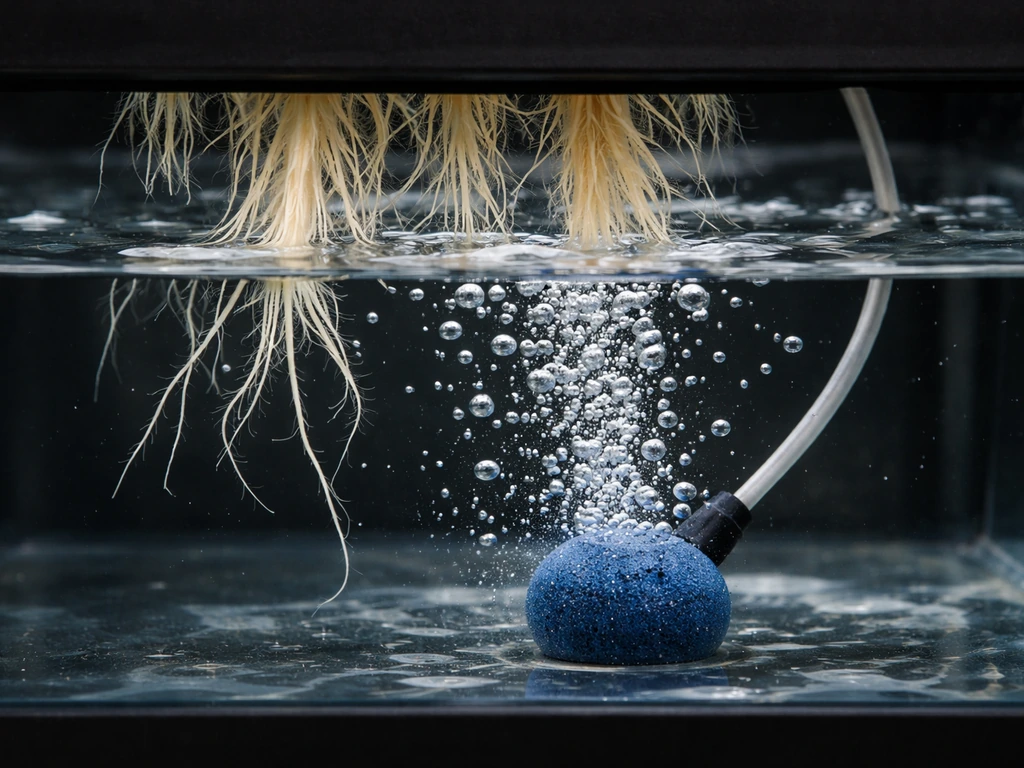
Root zone oxygenation is required. Without dissolved oxygen at the roots, plants in standing water develop root rot quickly, and growth stalls. University of New Hampshire Extension research is direct on this: oxygen to the root zone is a core hydroponics requirement, and aeration with an air pump and air stone is the standard low-cost solution. A basic aquarium air pump running a small air stone in your reservoir is genuinely all you need. More aeration improves crop health, yield, and growth speed, but the marginal gain from a larger pump or additional stones is an upgrade, not a starting point.
Water chillers are a common "recommended" purchase that most home growers do not need. Chillers become relevant when your reservoir consistently runs above 72°F (22°C), because warm water holds less dissolved oxygen and encourages pathogen growth. If your grow space is climate-controlled and your reservoir stays in the 65–70°F range, a chiller is a solution to a problem you do not have. Keeping the reservoir out of direct light, using an opaque container, and running the grow in a cooled room handles temperature for the vast majority of home setups.
- Required: Air pump + air stone for dissolved oxygen (skip only if using a Kratky passive setup where an air gap handles oxygenation)
- Required: Opaque reservoir to prevent algae growth from light exposure
- Optional upgrade: Water circulation pump for recirculating systems (NFT, ebb and flow)
- Optional upgrade: Water chiller if ambient temps push reservoir above 72°F consistently
- Skip entirely: Commercial-grade filtration systems, UV sterilizers, and inline water treatment for a basic home DWC setup
Automation and sensors: what can wait until you know what you are doing
Automated timers, pH dosers, EC controllers, and environment monitors are genuine quality-of-life improvements for experienced growers managing multiple plants or working with less flexibility in their schedules. They are not necessary to grow your first hydroponic plant, or your fifth. Manual testing and adjustment takes maybe five minutes a day and teaches you far more about how your plants respond than a dashboard ever will.
Start with a basic pH pen, a budget EC meter, and your hands-on attention. Check the reservoir every one to two days: test pH, top off with plain water as the level drops (plants drink water faster than nutrients, so nutrient concentration rises over time), and adjust as needed. Do a full reservoir change every one to two weeks. That process is the whole routine for a simple DWC or Kratky setup. Automation starts making sense when you scale up, travel frequently, or want to dial in environmental data over time. At the beginning, it adds complexity and cost without proportional benefit.
Environment controllers (devices that manage temperature, humidity, and CO₂ simultaneously) are similarly advanced tools. They are the domain of growers running sealed rooms at high production levels. For a home grow in an open tent or room, a basic thermometer-hygrometer (~$10) tells you what you need to know.
Common misconceptions and the tradeoffs of skipping things
The biggest myth in hydroponic beginner advice is that the system is inherently complex and equipment-heavy. Understanding why grow hydroponically helps you focus on the essentials and avoid overbuying equipment. Hydroponic marketing thrives on this idea because it sells products. The reality is that the core biology is simpler than soil gardening in some ways: you control every input directly, there is no soil food web to manage, and troubleshooting is faster because the variables are fewer.
| Common Assumption | Reality | Tradeoff If You Skip |
|---|---|---|
| You need specialized 'hydroponic' nutrients | General-purpose balanced nutrients work fine | None for most plants; highly specialized formulas are marginal gains |
| CO₂ supplementation boosts yields significantly | Only at light intensities above ~1000 µmol/m²/s; irrelevant for most home setups | Zero impact if ambient CO₂ and light are at normal home levels |
| You need an expensive pH meter | pH test strips are adequate for beginners | Slightly less precision; upgrade when you want tighter dialing |
| You must use a recirculating system for real results | Passive Kratky and basic DWC produce strong results | Less water/nutrient efficiency at larger scale; fine for small home grows |
| Grow lights need separate veg/bloom spectra | Full-spectrum LEDs cover both growth stages effectively | Marginal yield difference; not worth the added cost for home growers |
| Water chillers are essential | Only needed if reservoir temps exceed 72°F regularly | Root health risk in warm climates without temperature management |
| You need a full supplement stack | Base nutrients plus pH control is the complete requirement | Some additives improve specific metrics but none are foundational |
One tradeoff worth being honest about: skipping an EC meter is possible with test strips or manufacturer feeding charts, but it does slow your ability to troubleshoot nutrient imbalances. A $15 EC pen is close enough to a requirement that I would include it in any practical starter kit, even if it is technically optional.
UIUC Extension’s DIY home hydroponics starter guidance similarly emphasizes simple starter items like an EC meter rather than advanced automation A $15 EC pen is close enough to a requirement that I would include it in any practical starter kit. Similarly, skipping good lighting to save money in a dark space will cap your results hard.
You can skip expensive lights, but you cannot skip adequate light.
Your minimum viable hydroponics checklist
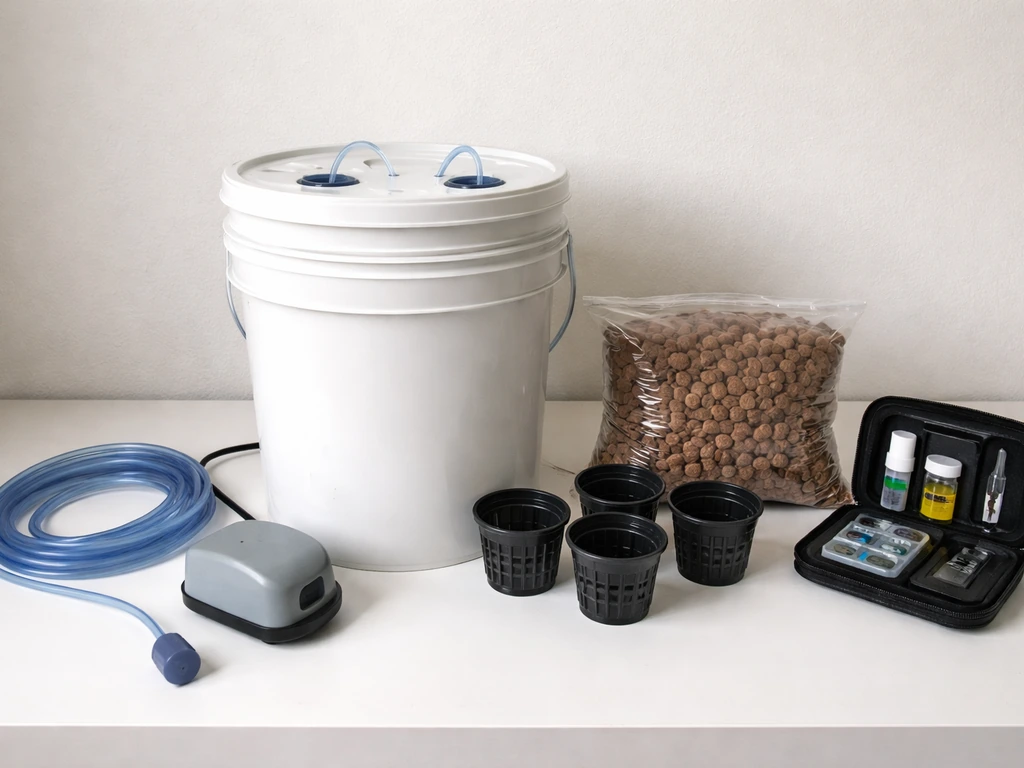
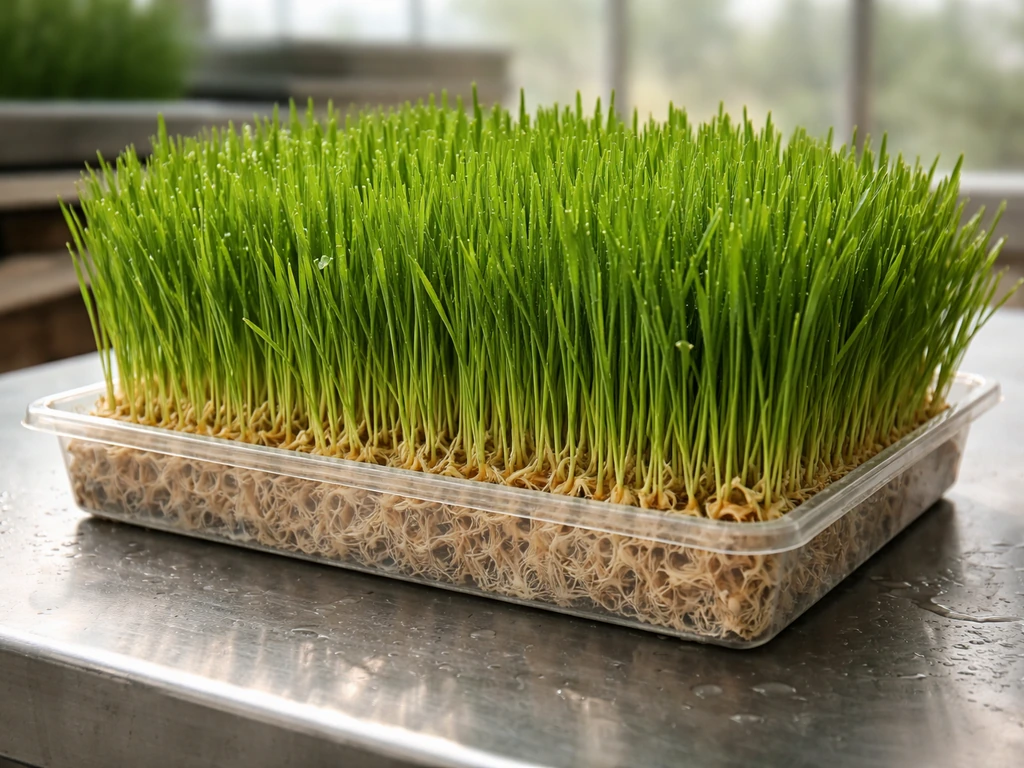
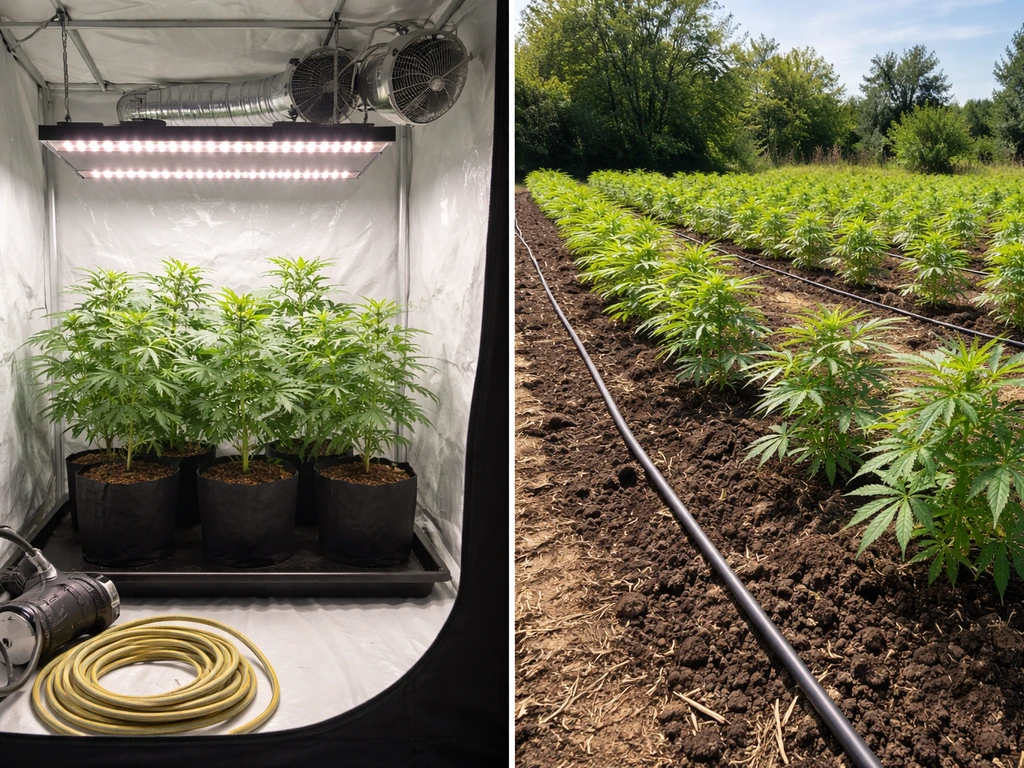
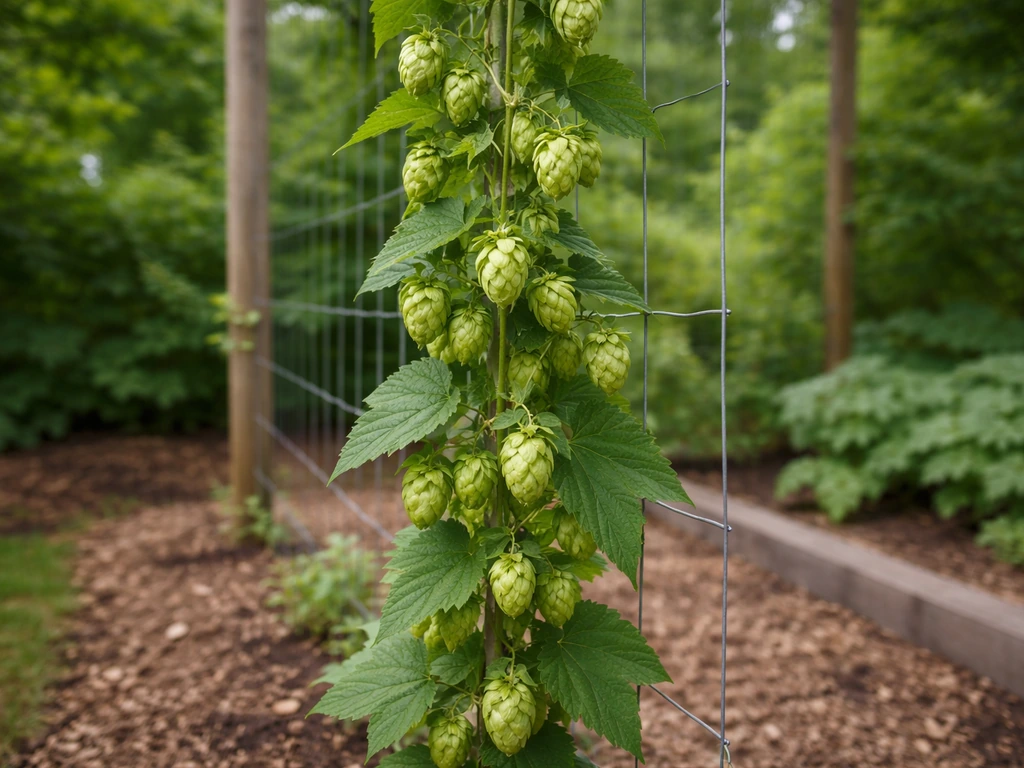
Use this as your starting point. Every item here is genuinely necessary. Everything not on this list can be added later as your grow grows. The specific equipment needed to grow hemp builds on the same hydroponic essentials: proper lighting, nutrients and pH testing, oxygenation, and stable water temperature. Can you grow grains hydroponically? Yes, but you will still need the same non-negotiables: proper light, nutrient solution, pH management, and root-zone oxygenation. Hops are similar to other hydroponic plants, but they still need the right light, nutrient solution, pH, and root-zone oxygen to grow well.
- Opaque reservoir or bucket (5-gallon minimum for a single plant)
- Aquarium air pump, tubing, and air stone (skip only for Kratky passive method)
- Net pots sized to fit your reservoir lid
- Growing medium: clay pebbles or rockwool cubes
- Complete hydroponic nutrient solution (two-part or three-part liquid concentrate)
- pH Up and pH Down solutions
- pH test strips or a basic pH pen
- EC/TDS meter (strongly recommended, functionally near-essential)
- Light source: sunny window for herbs and greens, or a full-spectrum LED panel for everything else
Optional upgrades to add when you are ready
- Digital pH pen with calibration solution (upgrade from strips)
- Timer for lights and air pump
- Seedling heat mat for faster germination
- Inline fan and carbon filter for odor and air circulation in a tent
- Environment monitor (thermometer/hygrometer combo)
- Additional air stones or a larger air pump for larger reservoirs
- Water chiller if your space runs warm
- Automated pH/EC dosing for multi-plant or time-constrained setups
- Specialty nutrients: silica, cal-mag supplement, bloom boosters
The practical path forward is straightforward: build the nine-item checklist above, run one plant through a full cycle, and learn what your specific setup needs more of. Most growers find they want better pH monitoring and more light before anything else. Automation, chillers, and supplement stacks are problems for after your first successful harvest. Get the roots wet first. If you are still deciding, a quick guide on what do you need to grow hydroponics can help you choose the simplest starter components.
FAQ
What is not necessary if I want to keep my hydroponic system simple, do I need an EC meter or can I skip it entirely?
You still need pH measurement and adjustment. Even if you are not changing pH daily, you must have a test method, because tap water alkalinity can push your nutrient solution outside the ideal 5.5 to 6.5 range within a short time.
If I do not need a water chiller, what should I do instead to prevent warm water problems?
A reservoir that stays light-proof matters more than many beginner lists admit. Opaque or wrapped containers reduce algae growth and helps keep dissolved oxygen higher, so you can often avoid buying a chiller or extra insulation for many home setups.
Is a pH dosing pump necessary, or can I manage pH manually?
You do not have to use an “electronic” pH automation, but you do need a manual routine. Test pH frequently enough to catch drift (often every 1 to 2 days at first), then adjust using pH Up or pH Down.
Can I use a passive setup like Kratky for any plant, or are there limits?
Yes, but only for plants that tolerate cooler conditions and slower growth. Kratky and similar low-oxygen-change methods rely on a fresh air gap, so heat and long crop cycles can raise risk of poor oxygenation or root issues.
Can I use regular fertilizer instead of hydroponic nutrient lines?
You can skip “hydro-specific” brands, but you cannot skip complete nutrients. Make sure your fertilizer covers both macros and the key micros, and confirm calcium and magnesium are included in some form (for example calcium nitrate plus a separate magnesium source).
Are bloom boosters, enzymes, or beneficial bacteria necessary for better yields?
You do not need extra additives for nutrients beyond a complete macro and micronutrient plan. “Boosters” can complicate troubleshooting because you may not know whether a deficiency, pH shift, or overfeeding caused the problem.
How much aeration is enough, can I just add more airflow and forget it?
You can start with a basic air pump and air stone, but do not oversize only on paper. If tubing, stone placement, or airflow is poor, roots can still get low dissolved oxygen, so verify bubbles are actually moving and distribution is adequate.
What is not necessary, but would still help prevent common failures?
You can reduce equipment by measuring instead of automating, but you cannot skip the fundamental checks. If you cannot test pH, you will eventually hit lockout problems that look like nutrient deficiency even when the solution “has nutrients.”
Do I need a fancy grow light with multiple spectrum channels?
You do not need UV, far-red, or specialized spectrum channels to grow. What matters is enough light delivered to the canopy for the plant and stage, and the correct day length, typically controlled with a simple timer even if you do not use advanced controllers.